Bar With Private Room NYC for Client Entertainment That Leaves an Impression
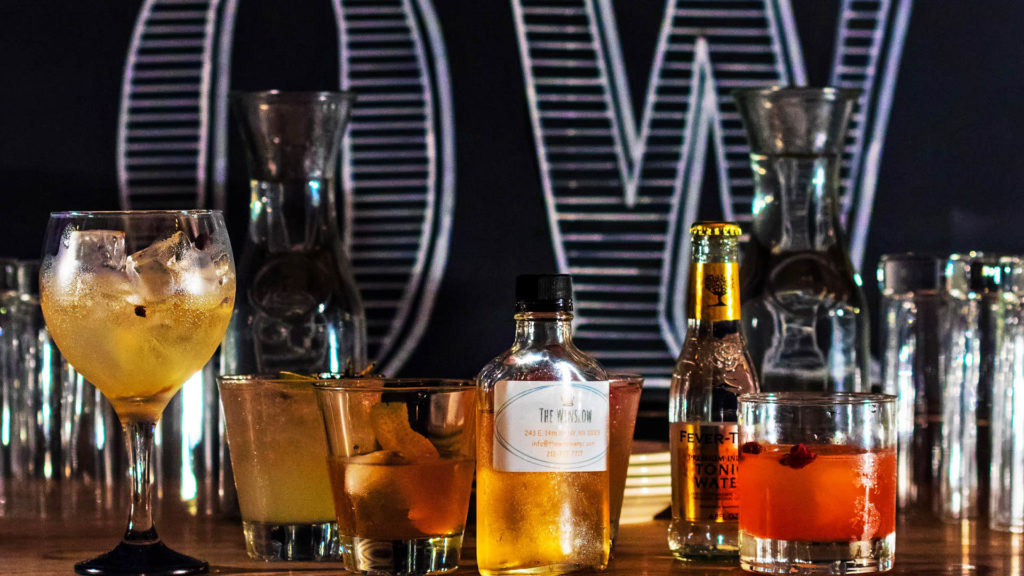

Client entertainment in New York can go very right or very wrong. The city gives you almost too many options, and abundance tends to create lazy decisions. A loud Midtown bar with a few velvet ropes and a back alcove might look polished in photos, but if your guest has to lean across the table to hear a sentence, the evening starts to lose value fast. On the other hand, a thoughtfully chosen Bar With Private Room NYC can do a surprising amount of work for you. It can signal good judgment, create ease, protect conversation, and make a client feel that their time was treated with care.
That last part matters more than people admit. Most clients do not remember every canapé or every cocktail. They remember whether the night felt smooth. They remember whether they could hear the people they came to meet. They remember whether the host seemed prepared. When you are arranging an evening to deepen a relationship, discuss a deal, welcome visiting executives, or simply thank a long-standing account, those details become the event.
A private room inside the right bar strikes a rare balance. It feels more relaxed than a private dining room, more intimate than a full restaurant buyout, and more sophisticated than staking out a few high-top tables in the main space. In a city where time is tight and expectations are high, that middle ground is powerful.
Why private rooms work so well for business in New York
There is a practical reason experienced hosts keep coming back to private rooms. New York hospitality moves fast, and regular bar service is built around turnover, walk-ins, and ambient energy. That is great for a casual night out. It is not always ideal for a client event where the host needs consistency, control, and a little privacy.
A proper private room gives you those things without creating stiffness. Guests can arrive in waves and still be gathered into one coherent setting. Sensitive conversations can happen without feeling staged. A senior client can stay for twenty minutes or two hours and never feel stranded in the crowd. If someone from your team needs to step aside to settle the bill, coordinate timing, or speak with staff, it can happen quietly.
In my experience, the best business entertaining in New York rarely tries to impress through excess. It impresses through fluency. The room is ready. The welcome is calm. The drinks arrive on time. The server knows which guest should never be kept waiting. Music is present but not dominant. The room feels like a decision, not an accident.
That is where a Bar With Private Room can outperform more obvious luxury choices. Some steakhouse private rooms feel heavy for a first meeting. Some members clubs can feel exclusionary if your guest is not already part of that world. Some hotel bars are beautiful but too exposed. A private room in a well-run bar often gives you the social ease of a night out with the discipline of a planned event.
The difference between “private enough” and genuinely useful
A lot of venues in the city use the phrase private room generously. Sometimes it means a curtained section. Sometimes it means a mezzanine where every word still carries over the railing. Sometimes it means a semi-private corner beside the service station, which is nobody’s idea of hospitality.
For client entertainment, privacy is not about secrecy. It is about cognitive comfort. People speak more freely when they do not feel observed. They stay longer when they are not fighting the room. They are more likely to relax into a useful conversation when they do not need to repeat themselves every third sentence.
A genuinely useful private room usually has a few defining traits. The sound is contained. The entrance feels intentional rather than improvised. Seating allows eye contact without forcing guests shoulder to shoulder. Lighting is flattering and warm but not murky. Service can access the room smoothly without constant interruption.
You also want to think about what kind of privacy you need. If the evening is mostly social, a semi-private room with some visual separation might be enough. If the event includes delicate commercial discussion, personnel issues, or negotiation, you need stronger acoustic control. The right answer depends on the meeting, not just the venue’s marketing language.
I have seen hosts spend heavily on décor and neglect this basic distinction. The result is always the same. A room that looked excellent in an email packet feels unusable once twenty conversations start happening at once.
What clients actually notice
Hosts often fixate on menu upgrades and signature cocktails. Those things can help, but they are not usually what changes a client’s impression. Clients notice ease. They notice whether your event matched the pace of the relationship. A first-time prospect may appreciate elegance, but they rarely want a scene. An established client celebrating a successful year may enjoy more energy, but they still want a room where they can circulate without shouting.
One evening comes to mind from a winter visit with a technology client from London. The original idea was a prominent cocktail bar downtown that everyone in the office liked. It had buzz, a strong drinks program, and a private space available that week. On paper it worked. In practice, the room was too dark, the music in the main bar bled through the wall, and the client’s CFO spent half the first hour asking people to repeat themselves. We salvaged the evening because the company was already close with the client, but nobody left thinking, “that was impeccably handled.”
A month later, the same group used a quieter Bar With Private Room NYC closer to Bryant Park for another meeting with a different client. The room was not trendier. It was simply more usable. There was a host stand that actually knew the guest list. Coats disappeared without fuss. The first tray of drinks came quickly. The room had enough life to feel like New York, but enough separation to support a real conversation. The feedback afterward was noticeably better, despite lower spend per head.
That is a familiar pattern. Function reads as sophistication.
Matching the room to the relationship
Not every client evening should feel the same. A smart host calibrates the room to the people in it.
For a first meaningful meeting, especially when there is still some formal distance, choose a room with polished service and an understated look. Think leather banquettes, good glassware, soft light, and food that is easy to eat standing or seated. You want enough elegance to show care, but not so much ceremony that every exchange feels performative.
For a long-standing client, especially one with a social dynamic already established, a more animated room can work well. Maybe the bar has a stronger point of view. Maybe there is more visible energy outside the room. Maybe the cocktails are a little more distinctive. The private room still needs acoustic sanity, but you can afford more personality.
For mixed groups, which are common in New York, restraint is usually safer. By mixed, I https://www.merchantcircle.com/the-winslow-new-york-ny mean a room with senior executives, junior staff, salespeople, finance people, and maybe a few spouses or visiting colleagues. In those situations, the venue has to carry people with very different expectations. A broadly appealing private room in a quality bar usually performs better than something overtly scene-driven.
You should also think about the time of day. An early-evening client reception needs speed and clean logistics. A later reservation can support a more leisurely rhythm, but only if your guests are local enough to enjoy it. Out-of-town visitors with early flights rarely appreciate a room that hits its stride at 9:30 p.m.
The practical questions that separate a smooth event from a chaotic one
The sales packet will tell you capacity and minimum spend. That is the easy part. The more useful questions are operational.
Ask how the room handles arrivals. If your guests are coming from multiple offices, staggered arrival is a certainty, not a possibility. You want staff who can greet people by name or at least direct them gracefully, not point vaguely toward the back.
Ask what the room sounds like at the exact hour you will use it. A private room that is calm at 5:30 can be a different environment at 7:15. New York bars change character quickly.
Ask about food style. Passed bites can maintain flow, but only if the room layout allows servers to move without blocking conversation. A small station can be useful for guests who want something more substantial, but buffet setups can cheapen the room if they are squeezed in as an afterthought. Seated service gives structure but can slow a networking-heavy event.
Ask about beverage pacing. One overlooked issue in private rooms is the lag between the first round and the second. If the room is sealed off from the bar and underserviced, guests can spend ten minutes trying to catch someone’s eye. That gap feels longer than it is, and it sends the wrong signal.
Ask whether the venue has worked with corporate groups similar to yours. You are not looking for prestige. You are looking for evidence that the staff understands name changes, dietary requests, last-minute additions, expense protocols, and the host’s need to remain focused on guests rather than logistics.
Midtown, Downtown, and the geography of convenience
In New York, location is never a trivial detail. It changes attendance, mood, punctuality, and the amount of patience your guests bring into the room.
Midtown gets dismissed too easily, usually by people who spend more time talking about neighborhoods than hosting in them. For client entertainment, Midtown can be extremely effective because it reduces friction. It is easy for visitors staying in major hotels. It works for teams coming from several office towers. It lets people join after a day of meetings without a cross-town odyssey. A well-chosen private room in Midtown often outperforms a more fashionable address simply because everyone arrives in a decent mood.
Downtown can be excellent when your brand or your client’s culture leans creative, entrepreneurial, or design-conscious. There is often more distinct personality in the spaces, and some clients respond well to that. But downtown choices require tighter judgment. Travel times are less forgiving, and a venue that feels charming on a Friday can feel inconvenient on a Tuesday when rain, traffic, and subway delays are in play.
Neighborhood choice should reinforce the purpose of the evening. If the point is to maximize attendance and minimize stress, convenience should win. If the point is to create a memorable social setting for a relationship that is already strong, you can afford to prioritize character a bit more.
Food and drink should support the room, not compete with it
A common hosting mistake is overdesigning the menu. Unless the event is specifically built around a culinary experience, clients do not need a tasting menu in miniature. They need food that is good, attractive, and easy to navigate while talking.
In a Bar With Private Room, cocktails matter, but not in the way some hosts imagine. One excellent classic drink and one appealing nonalcoholic option will do more for guest comfort than a long menu of clever signatures no one can pronounce. If a guest wants a martini, it should arrive cold and right. If they want sparkling water with citrus, that should feel equally intentional.
Food should follow the same logic. A few well-executed bites usually beat a sprawling package. People remember clean execution. They do not remember abundance for its own sake. They definitely remember struggling to eat something drippy in business attire while balancing a drink and trying to shake hands.
If the evening has a stronger commercial purpose, lean toward substantial passed food or a brief seated component. Empty stomachs shorten tempers and compress the useful life of an event. If the evening is mainly celebratory and starts later, lighter fare may be enough.
The hosts who do this best think about stamina. The event needs to feel generous at the forty-minute mark, not just at the opening toast.
Service is the real luxury
New Yorkers can spot performative luxury instantly. What actually reads as high-end is anticipation. A server remembers which guest is not drinking. The room temperature is adjusted before people start fanning themselves. A missing chair appears without discussion. The host never has to chase the event manager.
That kind of service is what makes a private room worth paying for.
When evaluating a venue, look beyond the room itself. Notice how the initial inquiry is handled. If response times are inconsistent before the contract is signed, do not expect miracles on event night. If your questions about layout, menu flexibility, or staffing are met with vague answers, assume the operation will be loose under pressure. Hospitality tends to preview itself.
One sign I trust is whether the venue asks you smart questions in return. They should want to know the composition of the guest list, the shape of the evening, the arrival pattern, and whether there are VIPs who need special handling. Good operators know that a client event is not just a reservation with a larger headcount. It is a service puzzle.
How to host without making the room feel transactional
The private room does part of the work, but the host sets the tone. The goal is not to impress people into submission. It is to make conversation easier and leave guests feeling well looked after.
Stand near the entrance for the first wave of arrivals if you can. Early moments matter. A guest who walks into an unfamiliar room and is greeted immediately relaxes much faster. If you have colleagues helping host, give them actual roles rather than hoping for spontaneous coordination. One person can manage arrivals, another can float introductions, another can keep an eye on timing and service.
Avoid overprogramming the evening. Unless there is a clear business reason, a client event at a bar should not feel like a presentation in disguise. Short welcome remarks are fine. A toast can be useful. Beyond that, the room should breathe.
There is also judgment in knowing when not to use a private room. If you are entertaining just two or three clients who prefer a more spontaneous, social atmosphere, the separation can feel too formal. In that case, a strong corner table in the main bar may be better. The best hosts are not attached to the idea of privacy for its own sake. They are attached to fit.
Red flags worth catching early
Some venues are beautiful but operationally fragile. Others are competent but wrong for client work. A few warning signs tend to show up before a disappointing event.
- The venue describes the space as private, but cannot explain sound separation clearly.
- The minimum spend is aggressive, yet staffing details remain vague.
- The room layout prioritizes capacity over comfort, especially for coats, circulation, and service flow.
- The menu package is inflexible in ways that make dietary needs hard to manage.
- Communication gets slower once you ask practical questions rather than aesthetic ones.
None of these issues automatically kills a booking. Together, they usually predict trouble.
What makes the best Bar With Private Room NYC stand out
The strongest venues for client entertainment tend to share a quiet competence. They know corporate hosts need polish without pretension. They understand timing. They can serve a room of eight, twenty, or forty without losing control. Their private room feels connected to the energy of New York while giving guests enough shelter from it.
They also respect discretion. That does not mean they are solemn. It means they understand that business entertaining often has layers. Some guests are there to celebrate. Some are there to evaluate. Some are there because they were invited by someone they need to impress. The room has to support all of those motives at once.
A memorable event usually comes from a combination of modest things done well. The reservation process is simple. The room looks as promised. The drinks are excellent. The food arrives at the right pace. The acoustics are forgiving. Your client leaves feeling seen rather than managed.
That is the standard worth aiming for. New York offers plenty of places to spend money. Far fewer know how to help you strengthen a relationship.
When you choose the right Bar With Private Room, you are not just booking square footage. You are buying a setting where business can become more personal without becoming sloppy, where conversation can be candid without turning formal, and where hospitality quietly reinforces your judgment. For client entertainment, that is often the difference between a pleasant evening and one that actually moves the relationship forward.
The Winslow
Address: 243 E 14th St, New York, NY 10003
Phone number: +12127777717
FAQ About Bar With Private Room NYC
Which bars in NYC offer private rooms?
Many bars in New York City offer private and semi-private rooms for parties and events, ranging from hidden basement speakeasies to upscale lounge spaces. Top options include The Back Room on the Lower East Side, Dear Irving Gramercy, Pebble Bar in Midtown, Mister Paradise in the East Village, and The Winslow in the East Village.
What is a private room in a pub called?
A small, private seating area or partitioned booth in a traditional pub is most commonly called a snug. Larger private rooms used for events, parties, or dining are typically referred to as private dining rooms, function rooms, or back rooms.
How much does a 2 hour open bar cost?
A 2-hour open bar generally costs between $15 and $45 per person, depending heavily on the quality of alcohol you choose. For a standard group of 100 guests, this translates to an overall cost of $1,500 to $4,500 before taxes, setups, and staff gratuities.