Bar With Private Room Strategies for Hosting Repeat Events
A packed first event feels good. A booked second event pays the bills. A sixth event, already penciled in before the fifth one ends, is where a venue starts to build a real reputation.
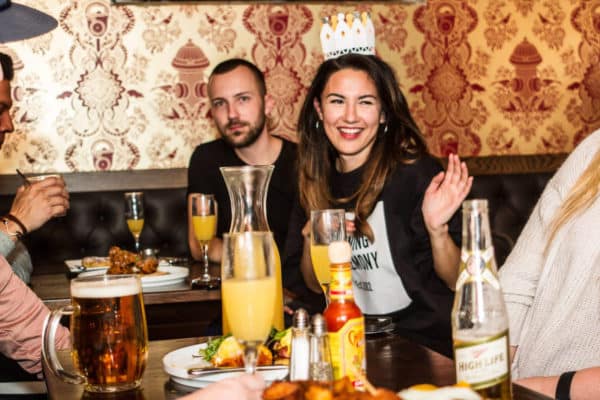
That difference matters for any bar with private room space. One-off bookings can fill empty dates, but repeat events create predictable revenue, smoother operations, stronger vendor relationships, and a customer base that sells your space for you. If you have ever watched a monthly networking group, quarterly leadership team dinner, birthday series, whiskey club, alumni meetup, or client appreciation night settle into a rhythm at the same venue, you know how valuable that pattern becomes. Staff know the organizers by name. Setup gets faster. The host trusts the room. Guests stop asking for directions because they already know where to park and which cocktail they want.
Getting there takes more than a nice room and a basic event package. Repeat business usually comes from a combination of operational consistency, smart room design, responsive communication, and the kind of hospitality that solves problems before the host says them out loud.
Why repeat events are harder to win than first-time bookings
A first booking often happens on promise. Good photos, a solid website, a convenient location, and a quick response to an inquiry can carry a lot of weight. A repeat booking happens on memory. The organizer remembers whether the projector actually worked, whether the check split turned into chaos, whether the room got too loud once the main bar filled up, and whether guests left saying, “That was easy, let’s do it there again.”
That memory is unforgiving. A host may forgive one small service lapse during a first event because they are still optimistic. They are far less generous when deciding whether to rebook. In practice, repeat-event strategy is less about marketing and more about reducing friction.
The venues that earn recurring business are rarely perfect in every category. They are dependable in the categories the host cares about most. For a corporate organizer, that may mean invoice accuracy and A/V readiness. For a social host, it may mean warm service and a room that feels separate from the main bar. For a club organizer, it may mean flexible minimums and staff who understand the cadence of recurring gatherings.
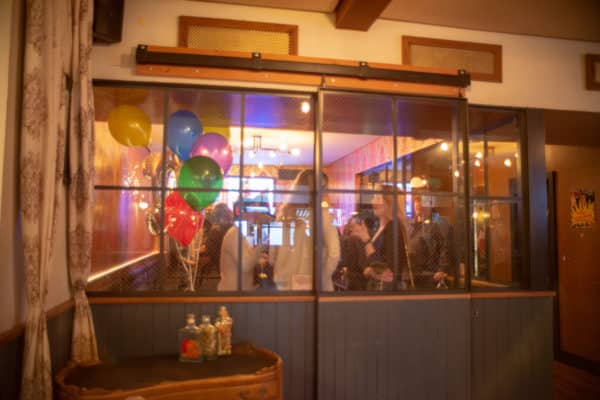
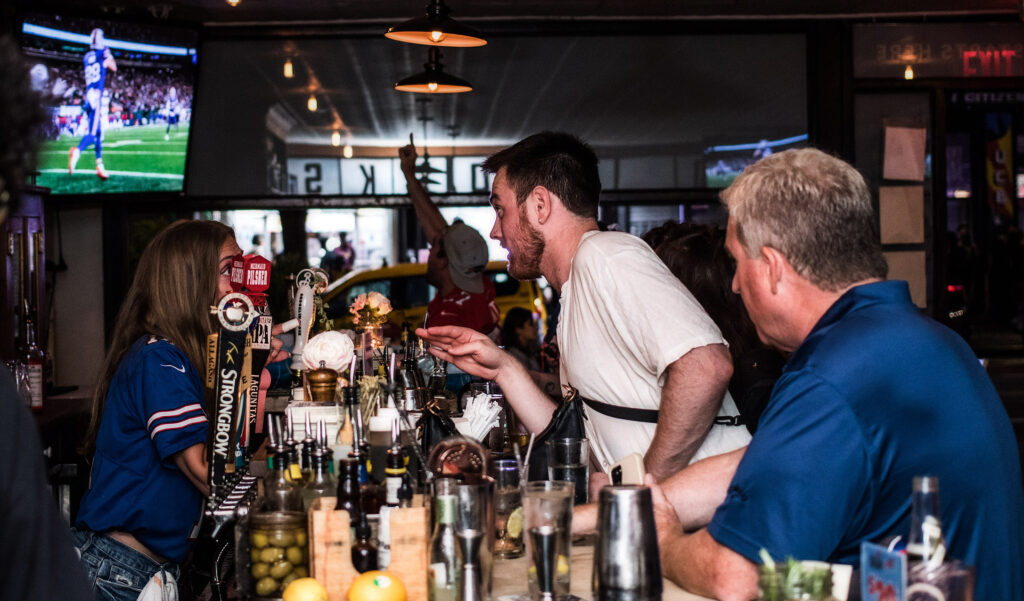
A bar with private room capabilities has a natural edge here, because privacy changes the event equation. People can gather without competing directly with the main floor. Speeches become possible. Membership groups can check people in at the door. Internal company meetings can happen without broadcasting every conversation to nearby guests. But that edge only works if the room feels intentionally managed rather than borrowed from the rest of the venue.
Start by designing for the second booking
Many operators focus on getting the first event sold. The better lens is to build the first event so the second one becomes the easiest choice.
That changes several decisions. It affects how you package food and beverage, how you discuss timing, how you train staff, and even how you word follow-up emails. Instead of asking, “How do we close this booking?” ask, “What will make this organizer feel relieved enough to come back?”
Relief is underrated in events. Most organizers are not looking for novelty every time. They want confidence. They want to know guest count can move a little without disaster. They want an easy way to pre-order appetizers. They want a contact person who answers. They want a room that looks as good at 40 guests as it does at 22.
One hospitality director I worked with used to say that event hosts are buying emotional insurance as much as they are buying food and drinks. He was right. The venue that reduces uncertainty becomes the venue that gets repeated.
Build a private room package that bends without becoming vague
Rigid packages can kill repeat business. So can anything-too-goes pricing. The sweet spot is a package structure with enough clarity to make buying simple, plus enough flexibility to support different versions of the same recurring event.
A monthly board meeting may need passed appetizers and low alcohol spend in January, then a full cocktail reception in June. A networking series may average 35 attendees most months, then jump to 60 when a popular speaker appears. If your private room offer only works at one exact headcount or one exact spend threshold, the host will eventually outgrow it.
Practical flexibility usually shows up in a few places. Minimum spends should have a reasonable range by day and season. Menu formats should scale cleanly. Furniture layouts should change without drama. Deposits and confirmation deadlines should be firm enough to protect the business, but not so severe that organizers feel punished for normal fluctuations.
What hosts hate is hidden complexity. If every small change forces a full renegotiation, repeat events start to feel like fresh transactions instead of an ongoing relationship. That is when they begin shopping the market again.
The room has to feel truly private, not merely sectioned off
Guests can tell the difference immediately. So can hosts.
A curtain and a sign are not the same as a real private-event experience. Even in venues where the room is technically enclosed, privacy often breaks down because of noise bleed, awkward server paths, poor signage, or restrooms that require guests to cross directly through the busiest part of the main bar. For repeat events, those details matter more each time because guests begin to compare the experience against their memory.
If your bar with private room space is physically limited, honesty beats overselling. A host can work with “semi-private, good for celebratory dinners and networking, less ideal for presentations” far better than with a promise of quiet that the space cannot deliver. Repeat business depends on matching the room to the event type.
The strongest private rooms usually do three things well. They allow the group to gather with a sense of ownership. They preserve service speed. They let the host control the mood. That last point is often overlooked. Lighting, music level, seating arrangement, and the ability to make announcements without shouting all affect whether a recurring group sees the room as theirs.
I once watched a venue lose a monthly professional meetup because the private room shared the main bar playlist and bass line. Nothing else was especially wrong. Service was fine. Food was solid. The organizer simply got tired of introducing guest speakers over dance tracks from the main floor. Small mismatch, repeated monthly, became a dealbreaker.
Sell consistency, then deliver it obsessively
Hosts do not just rebook spaces. They rebook systems.
A venue that earns recurring event business tends to have a repeatable process from inquiry to closeout. Emails are answered quickly. Event orders are accurate. Setup is done before the host arrives. Staff know whether the event is casual birthday drinks or a formal alumni reception. Bills come out in the agreed format. Follow-up happens at the right time.
That level of consistency is operational, not decorative. You can have an attractive room and still lose repeat business if your internal handoff fails between sales, bar team, kitchen, and floor manager.
A simple event profile for recurring clients helps more than most software upgrades. Keep track of preferred room layout, beverage style, check handling, dietary patterns, speaker setup, arrival rhythm, and the organizer’s personal preferences. If the host always wants sparkling water on the side table before guests arrive, remember it. If the monthly group tends to hit a second rush 45 minutes in, staff accordingly. Familiarity should create a better version of the event, not just a faster invoice.
Train staff to recognize repeat-event psychology
Serving a recurring private event is different from serving walk-in traffic. The organizer is balancing hospitality, budget, guest perception, and their own credibility. Staff who understand that tend to elevate the whole relationship.
What helps most is not theatrical service. It is situational awareness. The host should not have to chase someone down to ask for more glassware, clarify timing, or adjust pacing on passed food. Good staff read the room. They know when to check in and when to disappear. They understand that interrupting a toast to ask about tabs is a preventable mistake.
There is also a subtle but important social element. Returning groups notice whether they are welcomed back or merely processed again. A bartender who remembers the organizer’s name, a server who recalls that the group usually starts with wine before moving into cocktails, or a manager who checks whether this month’s agenda needs the screen earlier than usual, all of that tells the host they are not starting from zero.
That memory becomes a moat. Competitors can offer discounts. They cannot quickly replicate a team that already knows how the event runs.
Pricing for repeat events without undervaluing the room
Discounting is the bluntest tool in event sales, and often the least effective one.
Hosts certainly care about price. But recurring business usually responds better to value clarity than to aggressive discounts. A thoughtful repeat-event strategy might include stable pricing windows, preferred booking access, waived room fees after a certain event frequency, or menu perks that improve the guest experience without crushing margins.
Here are the retention levers that tend to work best:
- Priority date holds for recurring groups that book a series in advance
- Minor package customization without restart-level renegotiation
- Consistent event captain or primary contact whenever possible
- A loyalty perk tied to volume, such as an upgraded welcome item or reduced A/V fee
- Simplified contracting and payment terms for trusted repeat organizers
Notice what is missing: deep blanket discounts. Once a recurring group expects heavy price cuts, every renewal becomes a margin fight. It is healthier to reward loyalty with convenience, predictability, and selective enhancements. Those are harder to compare line by line against competitors, and they preserve the perceived value of the room.
There are exceptions. Slow nights, off-season periods, or newly launched private rooms sometimes need sharper introductory pricing. If you use that approach, set a clear review point. Otherwise, the “temporary” rate becomes the permanent expectation.
Food and beverage strategy should reflect why groups return
The menu for a recurring event should not feel stale by the third booking, but it also should not become a constant experiment. Returning groups often want a mix of familiarity and slight variation. Too much sameness lowers excitement. Too much change adds risk.
The best approach is to establish a dependable core and rotate around it. Keep a few proven crowd-pleasers available, then refresh one or two elements seasonally or according to the event’s mood. A networking mixer may want easy-to-share items that can withstand staggered arrivals. A team meeting may need a cleaner pacing structure, with food landing after presentations. A celebration series may lean harder into signature cocktails and visual touches.
Operationally, menus for repeat events should be designed for execution under pressure. Anything that slows kitchen flow or creates unpredictable pickup times will eventually annoy the organizer, even if the food itself is excellent. Guests remember waiting. Hosts remember apologizing.
Beverage planning deserves the same discipline. Open bar, drink tickets, host tab with limits, and cash bar hybrids all work in https://angeloiudr084.cavandoragh.org/bar-with-private-room-inspiration-for-bachelor-and-bachelorette-parties the right context. Problems arise when the billing logic is unclear. Few things damage a recurring relationship faster than a host who thought they had capped spend at one level and sees a much higher total afterward. Clarity on what counts toward minimums, which premium items are excluded, and when tabs shift is essential.
The booking process should get easier every time
Repeat business should feel easier for the client with each event, not merely familiar. That means the second booking should require less effort than the first, and the fifth less effort than the second.
This is where many venues leave money on the table. They treat each event as a separate sale and make the organizer restate the same information repeatedly. That sends the message that the relationship has no memory.
A better system is to create a simple recurring-event workflow. After the first successful booking, ask whether the organizer wants to tentatively reserve future dates. Offer to store prior event preferences. Send a recap that notes what worked and what can be adjusted next time. If the event has an obvious cadence, monthly, quarterly, annual, suggest a calendar block before the organizer has to ask.
The venues that do this well create momentum. A satisfied host is often busy immediately after an event. If you wait too long to reopen the conversation, you lose the advantage of fresh goodwill. On the other hand, if you push for a rebook before the host has seen the final invoice or debriefed internally, you can come across as tone-deaf. Timing matters. Usually, a warm follow-up within a day or two, then a practical rebooking note once billing is complete, works better than an aggressive same-night pitch.
Measure what predicts repeat bookings
Event teams often track total bookings but fail to track what actually drives renewals. Gross sales matter, of course, but repeat-event health shows up in more specific signals.
Watch for patterns in response time, average lead time for recurring groups, room-turn labor, spend per guest, no-show percentage against confirmed headcount, and how often post-event billing requires correction. If you can identify which event types rebook most reliably and which ones create the most friction, you can refine your sales focus.
The numbers worth paying attention to often include these:
- Rebooking rate by event type and day of week
- Revenue per private-room hour, not just per event
- Average variance between estimated and final guest count
- Final invoice disputes or adjustments
- Time from event completion to next confirmed date
A room that appears busy can still underperform if most events never return. Likewise, a modestly priced monthly group may outperform larger one-off parties over a year because the acquisition cost is lower and the operations are smoother. Long-term venue performance often depends more on reliable repetition than on occasional big nights.
Solve edge cases before they become reasons to leave
Repeat-event strategy is won in ordinary moments and lost in edge cases.
For example, what happens when a 30-person recurring dinner suddenly becomes 48 people? Can the room still function, or do you end up cramming tables and compromising service? What happens when the group organizer changes jobs and a new contact takes over? Do you have enough relationship depth that the booking survives? What happens if the host needs a quieter setup one month because of a speaker, or asks to start earlier, or wants to add branded materials?
If every edge case triggers visible internal stress, the host starts to worry. Even when you eventually solve the issue, the confidence gets chipped away.
The healthiest response is to set realistic boundaries while showing options. “That guest count will change the seating style, but we can still make it work as a cocktail reception.” “We can do a quieter setup in the private room on Tuesdays and Wednesdays, but Friday may not be the right fit for spoken programming.” “We can hold your recurring date through a certain deadline each month.”
That kind of judgment builds trust because it feels operationally honest. Experienced hosts know every venue has constraints. They are less concerned about the existence of limits than they are about discovering those limits too late.
Marketing a private room for recurring events requires proof, not hype
A bar with private room inventory often gets marketed with beautiful photography and very little practical information. That may spark inquiries, but it does not always convert the kinds of clients who book repeatedly.
For recurring-event prospects, proof beats polish. Show room capacities in realistic formats, seated dinner, standing reception, presentation setup. Clarify whether A/V is built in or brought in. Mention parking, transit access, check-in flow, and whether the room can support monthly holds. If your venue has hosted repeating groups successfully, talk about the kinds of gatherings that fit without overstating.
Testimonials help when they speak to process rather than generic praise. “Our quarterly client event runs smoothly every time” is stronger than “Great venue!” Specificity signals reliability.
Photos should also reflect lived use of the room. Empty-room hero shots are useful, but they do not answer the host’s real question: how does this space feel with actual people in it? A few images that show circulation, service setup, and event mood under normal operating conditions can do more than a heavily staged gallery.
Relationships make the renewal ask feel natural
At a certain point, recurring private-event business stops being a pure sales function and becomes account management. The host should feel like they have a partner inside the venue.
That does not require elaborate client entertainment. It requires attentive communication, accurate memory, and occasional initiative. If a group always books in November and December, reach out before those months fill. If you are refreshing the private room menu, invite a trusted organizer to preview options. If you know their event anniversary is coming up, suggest a small enhancement.
These gestures work because they are grounded in actual history, not generic upselling. Hosts can tell when a venue understands their event versus when it is reading from a sales sequence.
One of the best repeat-event operators I have seen kept handwritten notes after each major private booking. Not a novel, just a few lines: who made decisions, what timing slipped, which cocktail sold fastest, whether the room ran hot, and what the organizer casually mentioned wanting next time. Those notes were gold. Six months later, they allowed the venue to speak with confidence and precision. That felt personal because it was.
When to say no
Not every repeat event is worth pursuing indefinitely.
Some groups overconsume staff time, squeeze margins, disregard minimums, damage the room, or create ongoing billing conflict. Others no longer fit the venue as business evolves. Holding onto every recurring event out of fear can crowd out healthier revenue.
The key is to distinguish between solvable friction and structural mismatch. A group that needs clearer package language may be worth keeping. A group that repeatedly ignores contract terms and causes operational disruption may not.
Turning away a bad-fit recurring event should be handled professionally and early, ideally with a straightforward explanation and, when appropriate, an alternate format suggestion. Protecting the integrity of the private room is part of preserving its appeal to the right long-term clients.
What hosts remember after the lights come up
They remember whether the night felt under control. They remember whether guests were comfortable. They remember whether the room matched the promise. They remember whether they had to manage details the venue should have managed. And they remember whether, once the event was over, booking the next one felt obvious.
That is the central strategy for repeat private-event business. Make the organizer’s job easier, make the guest experience reliably strong, and make the room feel like a place the group can return to without rethinking everything.
For a bar with private room appeal, that means operating beyond aesthetics. The winning advantage is not just having a separate space. It is having a separate space supported by systems, staff judgment, flexible packaging, and a memory for what matters to each host. When those pieces line up, repeat events stop feeling like a sales target and start becoming part of the venue’s identity.
The Winslow
Address: 243 E 14th St, New York, NY 10003
Phone number: +12127777717
FAQ About Bar With Private Room
Which bars in NYC offer private rooms?
Many bars in New York City offer private and semi-private rooms for parties and events, ranging from hidden basement speakeasies to upscale lounge spaces. Top options include The Back Room on the Lower East Side, Dear Irving Gramercy, Pebble Bar in Midtown, Mister Paradise in the East Village, and The Winslow in the East Village.
What is a private room in a pub called?
A small, private seating area or partitioned booth in a traditional pub is most commonly called a snug. Larger private rooms used for events, parties, or dining are typically referred to as private dining rooms, function rooms, or back rooms.
How much does a 2 hour open bar cost?
A 2-hour open bar generally costs between $15 and $45 per person, depending heavily on the quality of alcohol you choose. For a standard group of 100 guests, this translates to an overall cost of $1,500 to $4,500 before taxes, setups, and staff gratuities.