How a Gin Bar Brings People Together Over Great Drinks
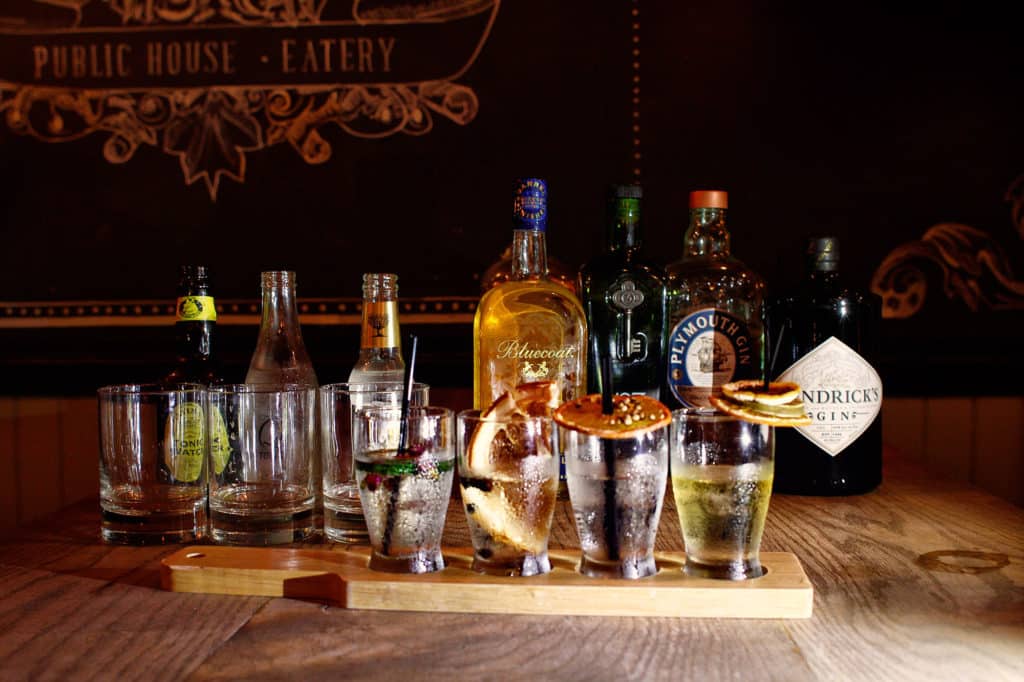
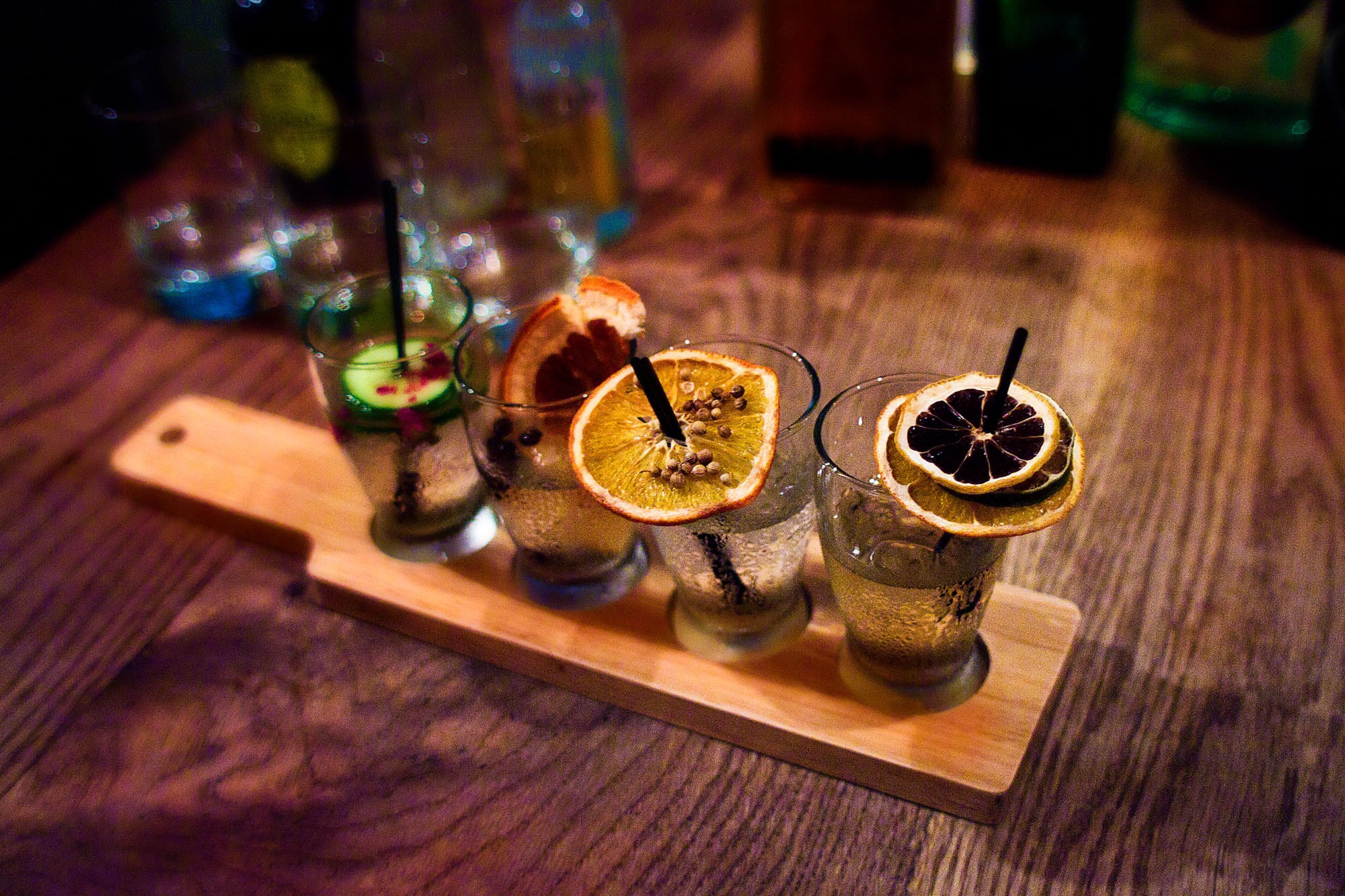
A good Gin Bar does more than serve martinis, G&Ts, and a shelf full of bottles with handsome labels. At its best, it becomes a room where people relax into conversation a little faster, where strangers compare tasting notes without feeling self-conscious, and where an ordinary evening picks up shape and warmth. The drinks matter, certainly. So do the glassware, the ice, the garnish, the lighting, and the pace of service. But what keeps people coming back is rarely just the liquid in the glass. It is the social ease that forms around it.
That may sound romantic, but in practice it is built from dozens of small decisions. A bartender remembers that one guest prefers a drier style with no fruit garnish. A couple on a first date gets a table with enough privacy to hear each other, but not so much isolation that the room feels dead. A group of colleagues who arrived stiff from work loosens up after sharing a round of different gin serves and passing them around for a taste. None of this happens by accident.
Gin is especially suited to this kind of shared experience because it invites discussion without demanding expertise. Most people already understand the broad idea, juniper, citrus, herbs, spice, floral notes. That gives them a vocabulary, even if it is a simple one. They do not need to know the exact botanical bill or still type to have a view. One person notices rosemary, another picks up pepper, another simply says, “That’s fresher than I expected.” That is enough. A drink becomes a conversation starter instead of a test.
Why gin lends itself to connection
Some drinks are solitary by nature. A heavy pour of whisky can invite contemplation, and there is nothing wrong with that. Wine often comes with enough ceremony to make some guests hesitant. Beer is wonderfully democratic, but people do not usually gather around a beer list to compare production methods or garnish choices. Gin occupies a useful middle ground. It can be serious without becoming stiff.
Part of the appeal lies in its range. London dry gin, contemporary citrus-led styles, savoury expressions, floral bottlings, and local craft releases all create room for preference. Guests can order within their comfort zone or drift a little beyond it. At a well-run Gin Bar, that range gives people an easy script for interaction. “What are you having?” becomes a real question instead of a polite placeholder.
There is also the ritual. A gin and tonic seems simple, but the details are visible. Guests can see the bottle selected, the tonic poured, the garnish cut, the glass chilled, and the ice packed properly. Because the construction happens in front of them, people engage with it. They ask why one gin gets grapefruit while another gets lime. They notice the difference between a tall tonic serve and a short, stirred cocktail. These moments create gentle points of contact between guest and bartender, and then between guests themselves.
I have seen this repeatedly in bars where the gin program was handled with care. A table of four comes in with mixed confidence levels, perhaps one enthusiast, two casual drinkers, and one person who says they “don’t really like gin.” Ten minutes later they are tasting each other’s drinks and discussing what changed their mind. Usually it is not a grand revelation. It is often as simple as finding the right style, perhaps a softer gin with cucumber, mint, or a less bitter tonic. That shift matters because shared discovery tends to lower social barriers.
The room shapes the social chemistry
People often talk about hospitality as though it begins when the bartender says hello. In truth, it starts earlier, with the room itself. A Gin Bar that brings people together tends to be designed for interaction, not just occupancy.
Sound matters more than many operators admit. If the music sits too high, every conversation becomes work. If the room is silent, guests feel overexposed. The sweet spot is a level that keeps the space lively while still allowing natural speech. In practical terms, that usually means people should not need to lean across the table and repeat themselves. Once guests start shouting, they stop discussing the drink and start trying to survive the acoustics.
Seating matters just as much. High stools at a bar counter create a different social pattern from deep lounge chairs. Counter seating often works especially well in a Gin Bar because it allows solo guests, couples, and small groups to interact with staff and observe service. People become curious when they watch cocktails being built with precision. Curiosity leads to questions, and questions create rapport.
Lighting is another lever. Bright enough to read a menu and appreciate the color of the drink, dim enough to flatter people and help them exhale. The problem with many fashionable bars is that they confuse darkness with atmosphere. If a guest has to use a phone torch to identify the garnish, the room is working against the product.
Then there is physical layout. A strong bar program can be weakened by cramped walkways, awkward table spacing, or a service station that blocks the visual rhythm of the room. On the other hand, a compact room can feel remarkably social if sightlines are open and the bar itself acts as a focal point. Guests should feel part of a shared environment, not tucked into disconnected pockets.
The bartender is the bridge
No element in a Gin Bar matters more than the people serving the drinks. Great bartenders do not just mix accurately. They read the room, calibrate tone, and create belonging without making it feel theatrical.
There is a common misconception that product knowledge alone builds credibility. It helps, of course. A bartender should know how a juniper-forward gin differs from a softer New Western style, and they should be able to explain why one tonic suits a serve better than another. But knowledge becomes valuable only when delivered with tact. Nobody wants a lecture when they are trying to unwind after work. The best bartenders translate expertise into comfort.
That usually looks like this: a guest says they want “something refreshing, not too sweet.” The bartender asks one or two smart follow-up questions, perhaps whether they like citrus or herbs, whether they want something long or spirit-forward, whether they are open to trying a gin they do not know. Within a minute the guest feels understood. That feeling is social glue. It makes people trust the bar, and trust changes how they interact with one another.
Bartenders also control tempo. If a group arrives tense, perhaps after a delayed train or a difficult meeting, staff can reset the evening by being calm and decisive. They can suggest a shared starting point, bring water without making a performance of it, and move the first round quickly. The room settles. People stop carrying the day on their shoulders. A lot of what guests call atmosphere is really staff setting emotional pace.
Some of the most effective moves are almost invisible. A bartender notices that two solo guests are both interested in the back bar and introduces a bottle they might both enjoy. A server guides a group away from each ordering in isolation by suggesting two distinct styles of gin and tonic for the table to compare. A host places a regular near the bar corner where conversation tends to form naturally. These are not scripts. They are acts of judgment.
Shared tasting turns drinks into social experiences
A Gin Bar becomes more memorable when drinking is participatory rather than purely transactional. The easiest way to do that is to make comparison feel natural.
A classic example is the gin flight, though it works only when handled lightly. Three pours is often enough. Beyond that, guests can become fatigued, especially if the gins are too similar or too high in strength for the setting. The purpose is not to prove endurance or expertise. It is to spark reaction. One guest will lean toward piney and classic, another toward floral, another toward savoury. Suddenly the table has a topic.
The same principle applies to cocktails. A menu that offers genuine contrast gives groups more to talk about than a list filled with minor variations. If one drink is bright with lemon and thyme, another rich with vermouth and olive brine, and another lifted by pink peppercorn and grapefruit, guests can explore mood as much as flavor. They start to describe what suits them and why.
There is a practical hospitality lesson here. People bond more easily over differences when those differences feel safe and playful. Gin provides exactly that. It is rare for a guest to feel personally threatened by preferring one botanical profile over another. The stakes are low. The conversation stays relaxed. That makes it ideal for mixed groups, especially work gatherings, birthday parties, or reunions where not everyone knows one another equally well.
One of the strongest services I have seen in this area was not elaborate. The bar offered a simple side card with a few tonic and garnish pairings for selected gins, and staff encouraged guests to ask if they wanted a less obvious match. It gave the room permission to be curious. You could watch tables compare serves and swap glasses for a sip. That kind of low-pressure discovery is exactly how a bar becomes social rather than merely busy.
What a memorable Gin Bar gets right
The bars that build loyal communities usually succeed at a handful of practical fundamentals:
- They curate with intent. The back bar is broad enough to reward curiosity, but not so sprawling that nobody can guide a guest through it.
- They train staff to translate flavor clearly. Guests hear plain, useful descriptions instead of jargon.
- They respect the tonic, the ice, and the garnish. Poor mixers and sloppy builds flatten even excellent gin.
- They create a room people can actually talk in. Hospitality is hard to feel when conversation becomes a strain.
- They welcome different levels of knowledge. Enthusiasts feel engaged, and newcomers never feel behind.
None of that requires luxury. Plenty of expensive venues fail because they confuse cost with warmth. A neighborhood Gin Bar with disciplined standards and attentive staff will often create stronger human connection than a glamorous room built around spectacle.
The role of ritual in modern social life
There is another reason gin bars work so well as gathering places. They provide ritual in a time when many social habits have become fragmented. People work irregular hours, socialize across different age groups and interests, and spend much of the day in digital spaces. A well-made drink served in a thoughtful room gives structure to face-to-face time.
Ritual does not have to mean formality. In a Gin Bar, it can be as simple as the first round arriving, the clink of cold glass on the table, the pause while everyone takes a sip and reacts. That shared beat creates a beginning. The evening now has shape.
Regulars understand this instinctively. They do not return only for a favorite bottle. They return because the bar becomes one of the few places where they know how the evening will begin, even if they do not know how it will end. There is comfort in that. For some guests, especially those who live alone or work remotely, a familiar bar can provide a form of social continuity that is easy to underestimate.
This is where a Gin Bar can become part of a local community rather than just a nightlife option. The staff recognizes neighborhood faces. Guests notice one another over time. Someone who first came in for a quick drink before dinner becomes the person who now celebrates promotions there, brings visiting friends, or stops by on a rainy Tuesday because they know they will be looked after.
Great drinks create generosity at the table
One of the understated pleasures of gin service is that it often encourages generosity. Not extravagance, necessarily, but small acts of sharing. Someone orders a different tonic style for the group to try. Another person buys a round because the first drinks landed well. A bartender offers a Gin Bar tiny sample of a new gin to a regular who is deciding between familiar and unfamiliar. These moments build goodwill.
That matters because social occasions can otherwise drift into individual consumption. Everyone orders their own drink, looks at their own phone, and the room fragments. By contrast, a strong Gin Bar gently nudges guests toward exchange. The menu might help by grouping serves according to flavor mood rather than just spirit strength. Staff might ask whether the table wants to explore a few distinct profiles. Even simple language such as “If you’re sharing tastes, these two make a nice contrast” changes behavior.
I have watched this happen most clearly with guests who arrive cautious. A first date can begin stiffly, but a bartender who suggests two very different gin serves and invites comparison has handed that pair an easy conversation. Corporate groups can feel dutiful until somebody orders a local gin with a garnish nobody expected, and the table suddenly becomes curious. Families spanning generations often find common ground in gin because one person prefers the classic style, another wants something lighter and more aromatic, and both choices feel equally valid.
Food, pairing, and the longer evening
A Gin Bar that serves food, even a concise menu, gains another advantage in bringing people together. Shared plates extend the rhythm of the night. More importantly, they help guests settle in. One strong drink on an empty stomach can shorten the social window. A few well-judged bites can turn a quick stop into a proper evening.
The pairings do not need to be complicated. Salty, crisp, bright flavors generally perform well. Good olives, citrus-cured fish, fried bites with a clean finish, hard cheeses, charcuterie, spiced nuts. The point is not to stage a formal tasting menu. It is to support conversation and make the drinks feel part of a fuller hospitality experience.
There is a business case here too. People stay longer, order more thoughtfully, and remember the venue as a place where they were comfortable. But the human case is stronger. Shared food softens social edges. It gives hands something to do, creates pauses in the drinking pace, and allows guests with different drinking habits to participate equally in the evening.
A lot of operators miss this by making food either too ambitious or too absent. Overly complex dishes can dominate the experience and slow service. No food at all can make the night feel narrow. The best gin-led venues usually strike the middle ground, enough quality and enough range to support drinking without stealing focus from it.
Where things can go wrong
Not every Gin Bar brings people together. Some divide the room without meaning to. Usually the problems are familiar.
A back bar can become intimidating if it feels curated for display rather than hospitality. Guests confronted with 150 bottles and no guidance often retreat to the safest order possible. That is not failure in itself, but it limits interaction. Choice should feel exciting, not burdensome.
Over-explanation is another risk. Staff who perform expertise instead of sharing it create distance. Guests do not need a dissertation on vapor infusion when they thewinslownyc.com Gin Bar are deciding whether they want a second drink. They need confidence that the recommendation suits the moment.
Then there is the issue of trend-chasing. Smoke-filled cloches, oversized garnishes, and unnecessarily complicated serves can be fun once, but they can also interrupt conversation. If every drink arrives as a performance, the table ends up talking about the mechanics rather than with each other. Spectacle has its place. Hospitality should still lead.
The last major pitfall is inconsistency. A Gin Bar lives or dies on repeatability. If the first visit is excellent and the second careless, trust evaporates. People gather where they feel reliably well looked after. That means standards on pour, garnish, tonic ratio, glass chill, and service sequence have to hold, even on a crowded Saturday night.
Small touches that make guests feel part of something
Not every bar can redesign its room or triple its training budget. Fortunately, some of the most effective changes are small and operationally realistic.
A few examples are worth noting:
- Offer one or two staff favorites on the menu with a line about why they work.
- Keep a concise rotating local gin feature so regulars have a reason to ask what is new.
- Train staff to ask preference-based questions instead of defaulting to generic recommendations.
- Use garnish with restraint and purpose, so guests can actually taste the gin rather than just smell decoration.
- Build in moments for sampling, where appropriate, because a tiny taste often opens a much bigger conversation.
These details signal care. More importantly, they make the guest feel included in the experience rather than processed through it.
A bar people talk about after they leave
The strongest sign that a Gin Bar has succeeded is not the number of bottles on the shelf or the complexity of the cocktail list. It is what people say the next day. They mention the friend they unexpectedly ran into, the bartender who steered them toward a bottle they now want to buy, the argument at the table over which serve was best, the sense that the night loosened in exactly the right way.
That is the real social value of great bars. They create settings where people can pay attention to one another. A thoughtful gin program helps because it offers variety, ritual, and easy talking points. Skilled staff deepen that effect by making guests feel comfortable enough to explore. The room supports it with sound, light, and layout that encourage conversation rather than compete with it.
When all of those elements line up, a Gin Bar becomes more than a place to drink. It becomes a place where acquaintances turn into regular companions, where celebrations gain texture, where a solo guest can feel part of the room without effort. The gin may be the draw, but the connection is what lingers. And that, more than any bottle on the shelf, is what makes people come back.
The Winslow
243 E 14th St
New York, NY 10003, United States
Phone: +1 212-777-7717
FAQ About Gin Bar
How to do a gin tasting?
Start with a small pour and gently smell the gin before taking a small sip. Notice its juniper, citrus, floral or spice notes, then compare how the flavor changes with a little water or tonic. At a gin bar, ask the bartender to explain the selection and botanical pairings.
How to make the best tasting gin and tonic?
Use chilled gin, fresh tonic and plenty of ice. A common starting ratio is one part gin to two parts tonic, adjusted to taste. Choose a garnish that complements the gin's botanicals and stir gently to preserve the bubbles.
What is the smoothest tasting gin?
There is no single smoothest gin for everyone. Perceived smoothness depends on the botanical recipe, alcohol strength, serving temperature and mixer. Describe whether you prefer citrus, floral, herbal or juniper-forward flavors so a bartender can suggest a suitable style.