The Best Reasons to Revisit Your Favorite Gin Bar NYC
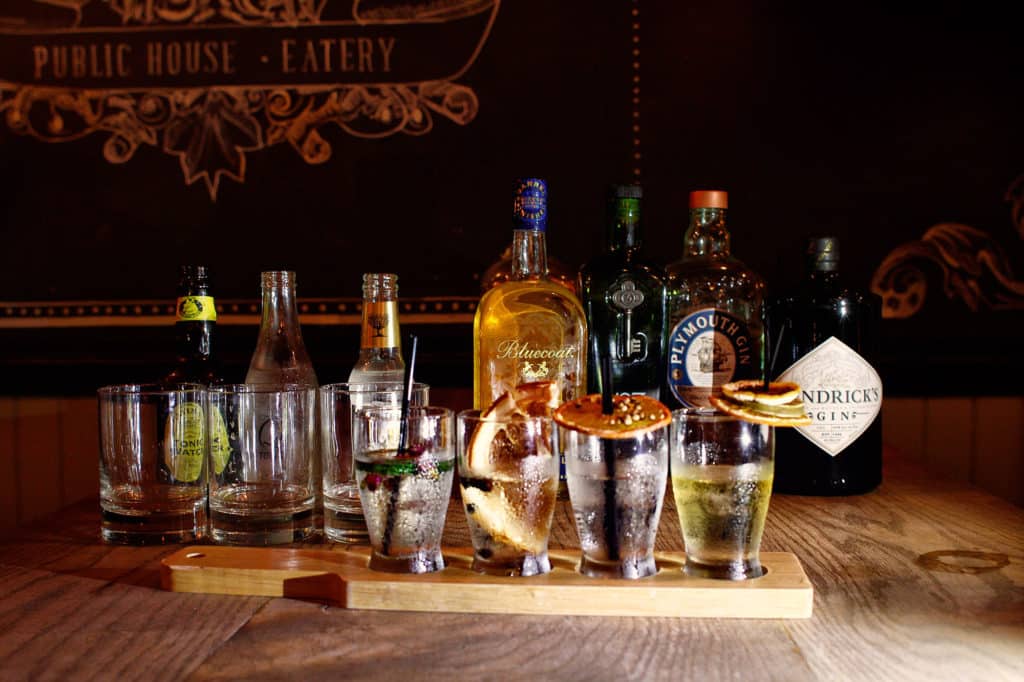
New York has never been a city that sits still. A restaurant that felt impossible to book six months ago suddenly has walk-in tables on a Wednesday. A neighborhood cocktail spot changes its menu, its crowd, even its pace with the seasons. That constant motion is part of what makes the city exciting, but it also creates a peculiar kind of loyalty. When people find a bar that gets the details right, they come back. Not out of habit alone, but because the place keeps rewarding attention.
That is especially true of a good gin bar. Gin invites nuance in a way few spirits do. Bourbon often asks for reverence, tequila increasingly asks for education, and vodka tends to disappear into temperature and texture. Gin, by contrast, keeps revealing itself. One night it leans bright and citrusy. Another, it tastes resinous, floral, savory, or peppery, depending on the bottle, the tonic, the glassware, and the hand behind the bar. Revisit the right place, and you are not repeating an experience. You are catching a familiar room in a different mood.
Anyone who has spent serious time in a Gin Bar NYC regulars actually talk about knows this already. The best ones are not built around novelty for novelty’s sake. They are built around memory, precision, and evolution. You return because the first visit gave you a strong impression. You keep returning because each visit sharpens it.
Familiarity makes the good details easier to notice
There is a difference between being impressed and being attuned. On a first visit, most people notice the broad strokes. The backbar looks strong. The lighting flatters everyone. The martini arrives cold enough to form a skin of frost on the glass. Maybe the bartender suggests a gin you have never tried, something with sea herbs from Scotland or a softer, lavender-driven profile from upstate New York. Those are memorable first impressions, and they matter.
But the deeper pleasures often show up later.
By the second or third visit, you begin to notice how the room runs. The host does not just seat people, they pace the floor to keep the bar from bottlenecking at peak hour. The bartenders know when to chat and when to keep their heads down. The ice program is consistent. The citrus is fresh at 10:30 p.m., not tired and drying at the edges. Even the way the tonic is poured, slowly, so the bubbles stay lively, tells you something about standards.
In many bars, especially in a city as competitive as New York, the first visit is the sales pitch. The return visit is the truth. A favorite gin bar earns repeat business because the second look holds up. Often, it improves.
Gin rewards repeat drinkers more than casual samplers
Not every spirit category asks you to build a relationship with it. Gin does. That is one of the best reasons to go back to the same place instead of bouncing endlessly to the next opening.
A thoughtful gin bar usually carries a range that goes far beyond London dry. You might find contemporary gins that turn the juniper down and push citrus oils, mountain herbs, chamomile, cucumber, olive leaf, sansho pepper, or coastal botanicals. Some bars organize their selections by style, which helps. Others rely on staff training, which helps even more. Either way, a good revisit gives you a chance to compare rather than merely consume.
The value is cumulative. Try a classic juniper-forward gin in a martini one week and then a softer, more aromatic bottle in the same spec the next time. Order a gin and tonic with a Spanish-style garnish on one visit, then ask for the same gin with a cleaner tonic and no garnish on another. You start to understand where the spirit ends and the bar program begins. That distinction is where appreciation turns into taste.
I have seen this happen countless times in bars where guests first arrive saying they “don’t really like gin.” Often what they mean is that they had one aggressive juniper bomb years ago, or they associate gin with sticky, poorly balanced drinks. Put those same guests in a well-run room, give them a bartender who listens, and let them return without pressure, and their palate opens quickly. The second or third visit is often when conversion happens.
Seasonal menus can transform a familiar room
One of the most practical reasons to revisit your favorite gin bar is that the menu itself rarely stays static for long, at least not in the places worth revisiting. The classics remain, and they should. A reliable martini, a proper Negroni, a well-built French 75, these are not optional in a serious gin program. But the seasonal drinks around them can reshape your sense of the bar.
Summer tends to bring the obvious pleasures. Highballs become longer and brighter. You see basil, cucumber, snap peas, watermelon, elderflower, melon, and crushed ice. That can be delightful, but in experienced hands it never feels like a garden center exploded into the shaker tin. The balance stays disciplined. Gin still tastes like gin.
Autumn is where many bars get especially interesting. Orchard fruit and spice naturally pair well with botanical spirits, but they can go wrong if the kitchen-sink instinct takes over. The strongest programs know restraint. A touch of pear, a little dry vermouth, a hint of saline, maybe a lift from fennel or rosemary, and suddenly the same bar that felt breezy in July feels composed and quiet in October.
Winter often separates polished bars from merely fashionable ones. When the weather turns, a room needs more than candles to feel warm. The drinks have to carry some weight without becoming clumsy. Barrel-rested gin cocktails, vermouth-forward stirs, savory Collins variations, richer garnishes, and lower-temperature service all start to matter. Come back in January to a bar you loved in spring and you may find that it has become a completely different kind of refuge.
Bartenders remember more than your usual order
Hospitality in New York gets talked about in broad, inflated terms, but in a bar it often Gin Bar NYC comes down to small acts of memory. A bartender recalling that you prefer your martini with a twist rather than olives is nice. Remembering that you like a 50/50 build, extra cold, with a specific gin because you dislike overly floral notes, that is something else.
That kind of recognition does not happen on the first visit. It is built over time, and in the best rooms it never feels performative. There is no script to it. No one announces your preferences back to you as a branding exercise. The bartender just asks, “Same style as last time?” and you know you are in capable hands.
For regulars, that ease changes the whole evening. You spend less energy explaining yourself and more energy enjoying the room. You trust suggestions because they are based on your palate, not a generic upsell. If the bartender steers you toward a new Japanese gin, or away from a cocktail that is likely sweeter than you prefer, that guidance has value.
This is one of the strongest arguments for becoming a repeat guest at a great Gin Bar NYC drinkers recommend to friends. The city can be exhausting. Decisions pile up all day. There is a specific pleasure in walking into a place where your taste has already been partly understood.
The classics are a real test, and they deserve a second try
People often revisit bars for new menu items, but there is a case for returning to test the same classics again. A single excellent martini can be luck. Three excellent martinis over three different months, served by different bartenders at different levels of crowd pressure, that is a program.
The martini is the obvious benchmark because gin bars live and die by it. Yet consistency across classics matters just as much with a Negroni, a Gimlet, a Tom Collins, or a Gin Rickey. These drinks are simple enough that flaws have nowhere to hide. Dilution, temperature, garnish, carbonation, and vermouth freshness all show up immediately.
I once revisited a bar after a strong first experience and ordered the exact same drink, partly out of curiosity and partly out of skepticism. The room was much busier the second time, and the bartender was working two-deep with tickets printing nonstop. The drink arrived just as cold, just as clean, with the same careful lemon expression over the top. That was the moment the bar moved in my mind from “good on a quiet night” to “actually excellent.”
That distinction matters in New York, where many places can produce one beautiful round at 5:15 p.m. On a Tuesday. Fewer can do it at 8:40 p.m. On a Friday when every stool is full.
A favorite bar becomes a map of the city around it
Bars do not exist in isolation. Revisit one enough, and it becomes tied to a neighborhood in a way that first-time visitors often miss. The route there changes with the season. The pre-dinner crowd gives way to late-night industry people. A nearby gallery opening shifts the mix one evening, a storm empties the sidewalks another. You start to understand not just the bar, but the block, the hour, the social rhythm around it.
That is especially true in New York, where neighborhoods still carry different drinking cultures despite all the overlap. A gin bar downtown may pulse differently from one in Midtown or Brooklyn, even if their bottle lists look equally serious on paper. One might attract cocktail specialists comparing specs over half-pours. Another might be a polished date spot where half the room is discovering martinis together for the first time. Neither is inherently better. The point is that revisiting lets you see what the place really is.
That local familiarity makes the experience richer. Your favorite seat becomes part of a larger pattern. You know when the room is at its most animated and when it softens into something more conversational. The bar stops being just a destination and starts becoming a reliable part of your city life.
You get to order more intelligently
There is a practical side to all this that often gets overlooked. The more you revisit a strong gin bar, the better you get at ordering in a way that suits both your palate and the room.
On an early visit, guests often order by category alone. Something refreshing. Something not sweet. A martini, but not too strong. Those are understandable requests, but they can still leave a lot open to interpretation. Return a few times, and your language gets sharper. You learn whether you prefer juniper-forward or modern styles, citrus peel or savory garnish, tonic-driven length or spirit-forward austerity. You also learn what the bar itself does best.
Some bars are martini houses first, with exceptional cold storage, proper glassware discipline, and a staff that can calibrate vermouth ratios with real confidence. Others shine with long drinks, highballs, and lower-ABV spritzes built around gin. Some places have a beautiful deep bottle selection but a menu that leans trendy and crowded. Others have fewer labels but more exacting technique. Repeat visits teach you where to aim.
That knowledge makes the experience better for everyone. The bartender can guide you more effectively, and you are more likely to land on a drink you actually love rather than one that simply sounded promising on paper.
The best food pairings reveal themselves over time
Food at gin-focused bars is often treated as support, but in stronger programs it deserves more attention. Gin can be brilliant with food because its botanical structure plays well with salt, acid, herbs, seafood, fried textures, and sharp cheeses. Yet not every pairing is obvious on the first visit.
A crisp G&T with oysters feels intuitive, and for good reason. The salinity and brightness reinforce each other. A martini with fries is practically a civic tradition at this point, but still one worth revisiting when done properly. The cold, clean drink against hot, salty potatoes is hard to beat. More interesting pairings emerge later. A savory gin cocktail with olives, anchovy toast, or smoked fish can be exceptional. So can a citrusy gin serve next to roast chicken, a good burger, or a plate of ricotta and herbs, depending on the bar’s kitchen.
Revisiting gives you time to experiment instead of defaulting. One evening you may realize the house dirty martini sings next to the bar’s briny small plates. Another night, a bright Collins-style drink may carry an entire meal better than a glass of white wine would. Good bars quietly encourage this kind of discovery. They train staff to think across the whole menu, not just behind the stick.
Not every visit needs to be a big night out
One of the marks of a truly successful bar is that it can serve different purposes without losing its identity. This is another reason to return. The first visit might be a date, a birthday, or a celebratory round with out-of-town friends. Later visits can be smaller and sometimes more revealing.
Drop in alone just after work and the bar may feel almost meditative. Visit late on a Saturday and the room becomes kinetic, louder, more theatrical. Meet one old friend on a rainy Sunday afternoon and suddenly the same place feels like shelter. Bars that only work in one mode rarely become true favorites. The ones worth revisiting are flexible. They hold shape across occasions.
There is a certain confidence in that. The bar does not need every guest to arrive with an event attached. It is enough that the room knows what it is and keeps delivering it. For regulars, this matters more than hype or social media buzz ever will.
What to pay attention to on your next return
If you want to get more out of the revisit, it helps to notice a few specifics. Not in a fussy, scorecard way, but in the manner of someone who enjoys craft and wants to understand why a place works.
- Watch how the staff handles a rush without sacrificing warmth.
- Notice whether vermouth tastes fresh and lively in stirred drinks.
- Pay attention to glass temperature, ice quality, and garnish restraint.
- Ask for one recommendation outside your usual comfort zone.
- Try one classic you know well enough to judge confidently.
These details reveal more than décor ever will. They tell you whether the bar’s standards are structural or cosmetic.
Loyalty pays off, even in a city built on novelty
New York encourages constant movement. There is always another opening, another reservation, another “best of” list trying to redirect your attention. Some of that is useful. A healthy bar culture should keep evolving. But novelty has a way of flattening memory. If every week is devoted to a new room, you rarely learn enough about any one place to understand its quality fully.
Revisiting pushes against that. It allows for judgment with depth. It rewards bars that do the hard, unglamorous work of consistency. It also makes your own nightlife more satisfying. Instead of chasing recommendation after recommendation, you build a short roster of places that have earned your trust.
That trust is not blind. Bars can slip. Bartenders move on. Programs lose focus. Returning lets you see that too. Loyalty should be informed, not automatic. But when a place continues to deliver over time, the relationship becomes valuable. You know you can bring a client there, or a date, or a friend who claims not to like gin and might The Winslow Gin Bar NYC leave converted. You know what kind of night it can hold.
The real pleasure is recognition
At its best, revisiting a favorite gin bar is about recognition from both sides. The staff recognizes you, or at least your preferences. You recognize the room’s rhythms, standards, and strengths. The spirit itself becomes more legible. What first tasted simply “good” starts to split into layers of citrus, herb, bitterness, salinity, floral lift, and texture.
That is what makes return visits rewarding rather than repetitive. You are not going back because you ran out of ideas. You are going back because some places are worth learning more deeply.
In a city that changes by the week, that kind of place is rare. When you find a Gin Bar NYC locals return to even after the buzz has moved elsewhere, pay attention. Then go back. Order differently. Sit longer. Notice more. The best reasons to revisit are not abstract at all. They are right there in the glass, in the room, and in the feeling that for a couple of hours, the city has become a little easier to read.
The Winslow
243 E 14th St
New York, NY 10003, United States
Phone: +1 212-777-7717
FAQ About Gin Bar NYC
How to do a gin tasting?
Start with a small pour and gently smell the gin before taking a small sip. Notice its juniper, citrus, floral or spice notes, then compare how the flavor changes with a little water or tonic. At a gin bar, ask the bartender to explain the selection and botanical pairings.
How to make the best tasting gin and tonic?
Use chilled gin, fresh tonic and plenty of ice. A common starting ratio is one part gin to two parts tonic, adjusted to taste. Choose a garnish that complements the gin's botanicals and stir gently to preserve the bubbles.
What is the smoothest tasting gin?
There is no single smoothest gin for everyone. Perceived smoothness depends on the botanical recipe, alcohol strength, serving temperature and mixer. Describe whether you prefer citrus, floral, herbal or juniper-forward flavors so a bartender can suggest a suitable style.