The Best Signature Experiences Offered by a Gin Bar NYC
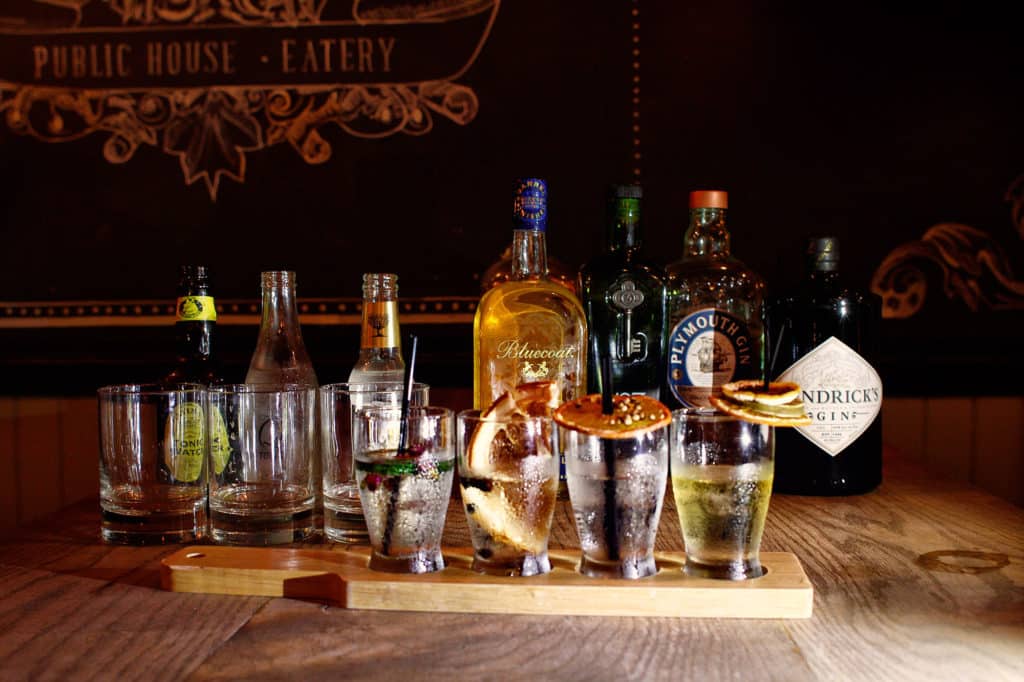
A great gin bar does more than pour a competent martini. It creates a point of view. In New York, where the bar scene is crowded with serious talent and short attention spans, that point of view matters. You can walk into a dozen places in a single neighborhood and find polished glassware, good ice, and a back bar lined with bottles. What separates a memorable gin-focused venue from a merely attractive one is the quality of the experience it builds around the spirit.
That distinction is especially clear at a strong Gin Bar NYC destination. The best ones understand that gin is unusually expressive. It can lean bright and citrusy, rooted in juniper, softened by florals, sharpened by pepper, or stretched by savory botanicals that flirt with seaweed, olive leaf, tea, and herbs. A serious gin bar does not just stock many labels. It helps guests taste those differences in a way that feels vivid rather than academic.
New York is well suited to this style of hospitality. People here often want substance without ceremony. They appreciate craft, but they do not always want a lecture. The best gin bars answer that beautifully. They offer experiences that feel polished, sensory, and social, while still giving guests something to learn. After years of watching how people actually order, linger, and return to bars, I have found that the most successful signature experiences tend to share one trait: they meet guests at different levels of knowledge. The person who knows every classic variation and the person who usually says, “I just want something fresh,” should both leave satisfied.
Why gin lends itself to signature experiences
Gin rewards attention in a way that vodka rarely does and whiskey sometimes overcomplicates. A good whiskey bar can be thrilling, but the learning curve can intimidate casual drinkers. Gin is more flexible. It works chilled and direct, lengthened with tonic, brightened with citrus, deepened with vermouth, or reframed through seasonal ingredients. That versatility gives a bar room to create rituals that are distinctive without becoming precious.
There is also the botanical element. Gin invites sensory storytelling. Guests can smell rosemary, grapefruit peel, cracked coriander, cucumber, basil, and pink peppercorn, then recognize those notes in the glass. That moment of recognition is powerful. It turns a cocktail from a beverage into an event. When a bartender places a drink in front of someone and says, “Lift the rosemary once before your first sip,” the guest is no longer passive. They are participating.
In a city where diners and drinkers are constantly comparing options, that kind of participation sticks.
The customized gin and tonic, elevated beyond expectation
For years, the gin and tonic was dismissed by many American drinkers as a default order, something practical rather than exciting. That changed when bars began treating it with the respect given to classic cocktails. In the best gin bars, the signature gin and tonic is not a single drink. It is a format.
The base spirit might be London dry, contemporary floral, navy strength, or a local small-batch label. The tonic can vary in bitterness, sweetness, carbonation, and quinine intensity. Then come the garnishes, which are not decorative afterthoughts when chosen well. A grapefruit peel can sharpen the citrus line in the gin. A ribbon of cucumber can cool the palate. Basil can soften the edges of a peppery distillate. A charred lemon wheel can bring depth that a fresh wedge never will.
What makes this experience memorable is the way the bar translates preference into a tailored serve. A guest says they like martinis but want something lighter, and the bartender moves them toward a drier tonic with a brisk London dry gin and a restrained lemon expression. Another guest wants something fragrant and easy, and the build changes entirely. The tonic may become softer, the gin more floral, the garnish more aromatic. Same family of drink, completely different result.
This matters because the gin and tonic often acts as the gateway order. If the bar handles it thoughtfully, guests become more willing to explore the rest of the menu. I have seen people arrive asking for “just a simple G and T” and leave discussing whether they prefer gins led by angelica root or citrus peel. That does not happen by accident. It comes from staff training, quality tonic selection, and a sense of proportion.
The martini service that turns restraint into theater
Many bars chase spectacle. The best martini service does almost the Gin Bar NYC opposite. It understands that restraint can be its own theater.
At a top Gin Bar NYC location, martini service often starts before the pour. The glass is deeply chilled. The bottle may be kept in a freezer, or the spirit may be batched with vermouth and water to hit ideal dilution consistently. The garnish is selected with care. Olives should taste fresh, not tired or briny in a one-note way. Lemon twists should be cut to order. If a house pickled onion is offered for a Gibson, it should justify its place with balance rather than novelty.
Guests notice these details even when they cannot name them. A properly cold martini drinks differently from one that warmed while the bartender searched for garnish. Texture changes. Aromatics lift differently. The first sip lands clean instead of blunt. The best bars often add a small flourish, perhaps a sidecar pour nestled in chilled metal, or a tiny accompanying bite such as salted Marcona almonds or a single anchovy toast. Not because the martini needs decoration, but because the ritual benefits from pacing.
The tension in martini service is always between personalization and standards. Some guests want a ratio debate. Others want the bar to decide. Smart bartenders read the room. They ask enough questions to avoid a miss, then they lead with confidence. If someone asks for a very dry martini and clearly wants that classic bracing profile, there is no reason to drown it in vermouth theater. If another guest says they usually find martinis too severe, a softer build and more expressive garnish may be the difference between polite disappointment and conversion.
A memorable martini experience leaves the guest feeling understood, not managed.
Guided gin flights that teach without feeling like school
Flights can go wrong quickly. Too many samples and the palate blurs. Too much explanation and the experience turns into a seminar. Done well, though, a gin flight is one of the best signature offerings a bar can provide.
The strongest version is tightly edited. Three pours often outperform five. The progression might move from classic juniper-forward style to a modern citrus-driven expression and then into something savory or floral. That sequence gives the guest contrast without fatigue. It also teaches one of the most useful lessons in gin appreciation: category labels only tell part of the story.
A bartender might place the glasses in front of a guest with a short frame for comparison:
- Start with the nose, before the palate.
- Sip the neat pour first, then revisit after a drop of chilled water if offered.
- Notice texture as much as flavor.
- Compare the finish, which often reveals more than the first impression.
- Ask for a tonic or garnish pairing only after you taste the gin on its own.
That kind of structure works because it is practical rather than performative. It gives people a way into the experience. I have watched skeptical guests change their minds about gin entirely after a side-by-side tasting revealed that the style they disliked was only one corner of a wide category.
Bars that do this especially well often include one unexpected local or lesser-known producer in the lineup. Not as a gimmick, but as a reminder that discovery is part of the pleasure. New York drinkers tend to appreciate being let in on something. A smart flight can make a guest feel both comfortable and a little ahead of the curve.
Seasonal cocktail menus built around botanicals, not trends
A weak seasonal menu simply swaps in whatever produce is fashionable. A strong one thinks about how the botanicals in gin behave alongside what the season naturally offers.
In spring, that can mean drinks with snap pea, mint, sorrel, or a restrained use of elderflower. Summer often invites stone fruit, cucumber, tomato water, basil, and saline notes that sharpen refreshment. Fall can support pear, sage, black tea, or subtle baking spice. Winter is where many gin programs surprise people. Good bars know that gin does not vanish when the temperature drops. It can become deeper, rootier, and more textural, paired with citrus, rosemary, bay, cardamom, or even a whisper of smoke.
This is where real bar judgment shows. Seasonal ingredients are not automatically improvements. Strawberry, for example, can flatten a drink if handled lazily. Lavender can dominate in half a second. Fresh herbs die fast under poor refrigeration and become aromatic ghosts of themselves. A serious gin bar does not chase ingredients because they sound pretty on paper. It uses them because they build structure and aroma in the glass.
The best seasonal menus also avoid overwhelming the guest with ten versions of “light, bright, floral.” Balance matters. A well-composed gin menu should offer contrast, perhaps something crisp and high-toned, something savory, something stirred and spirit-forward, and something lower in proof. That variety broadens the audience and respects the spirit.
House signatures with a clear identity
Every bar wants a signature drink. Not every bar earns one.
The most compelling signature cocktails in a gin-focused venue usually express the bar’s personality rather than trying to chase universal approval. Maybe the house drink leans savory, with fino sherry, dill, and a saline accent. Maybe it is built around a local gin, clarified citrus, and green tea for a cleaner profile. Maybe it reworks a classic template, taking the bones of a martini, Negroni, or Collins and nudging them somewhere sharper and more modern.
What matters is coherence. If a drink is complicated but the flavors do not land in a clean arc, guests may admire it more than enjoy it. Signature cocktails should feel inevitable once tasted. You want the reaction to be, “Of course these ingredients belong together.”
A good example is the current interest in dirty martini variations. There is real room for creativity here, but also plenty of traps. Add too many savory ingredients and you lose the martini’s architecture. Keep the drink focused, perhaps with a touch of olive brine balanced by an herbal note or a subtle fortified wine, and you can create something memorable. Push too far into pickle jar territory and the novelty wears off halfway through the stem.
Bars that understand this edit themselves. They know when to stop.
Food pairings that make gin feel complete
One of the more underrated signature experiences at a Gin Bar NYC venue is thoughtful food pairing. Not a mandatory tasting menu, and not random snacks dropped on the table, but small plates or bar bites that actively improve the drinking experience.
Gin pairs exceptionally well with salinity, fat, acid, and herbs. Oysters with a mignonette that echoes a drink’s citrus line can be revelatory. A smoked fish rillette can soften the edges of a brisk martini. Fried olives, good cheese, herb-heavy flatbreads, and crudo often work better than heavier dishes that bury the spirit. Even something as simple as excellent potato chips beside a cold martini can feel exact and right.
The challenge is that pairings should support, not crowd, the glass. I have seen bars overcomplicate this with too many competing flavors, especially heat or sweetness. Those elements can work, but they require calibration. A slightly spicy bite might sharpen a citrus-forward gin drink beautifully. A sticky glaze, on the other hand, can leave the palate muddy.
The strongest programs often train servers to make one or two concise pairing suggestions based on the guest’s first round. If someone starts with a savory Gibson, recommend something briny or rich. If they are drinking a bright, herbal highball, steer toward lighter, fresher dishes. This is not difficult in theory, but it requires front-of-house staff who taste the menu and understand why pairings work.
Rare bottles and limited pours, offered with discretion
Scarcity can be alluring, but it is easy to handle badly. A rare-bottle section should not feel like a museum plaque or a test of how much a guest is willing to spend. The best gin bars treat unusual bottles as an opportunity for discovery.
That might mean a vintage-style expression made in tiny quantities, a hard-to-find Japanese gin with precise citrus notes, or a special release that leans on unusual botanicals. The bar’s role is to contextualize the pour. What makes it distinct? Is it worth ordering neat, or does it shine better in a very simple serve? Is the premium justified by flavor, texture, provenance, or all three?
Experienced bartenders know that rarity alone does not equal pleasure. Some limited releases are fascinating but not especially delicious. Others are outstanding but subtle enough that they can be lost on guests who wanted a dramatic shift. Good service means being honest about that. There is nothing wrong with saying, “This is beautiful, but if you want a bolder contrast from what you usually drink, I would steer you here instead.”
That kind of candor builds trust, and trust brings people back.
The bartender conversation as part of the experience
The strongest signature experience in any serious bar is often not written on the menu at all. It is the quality of the exchange between bartender and guest.
Gin invites dialogue because preferences vary so widely. Some people want pine and dryness. Others want citrus brightness, floral lift, savory depth, or a clean mineral edge. The bartender who can translate vague language into a strong recommendation is worth more than any decorative garnish. When a guest says, “I want something refreshing but not sweet,” the best bartenders hear three or four technical cues inside that sentence. They can respond with precision.
This is where a great Gin Bar NYC destination often pulls ahead of trendier competitors. In New York, speed matters, but so does intelligence. Guests appreciate bartenders who can read whether someone wants a thirty-second suggestion or a five-minute conversation. The room may be full, the music may be up, and still a skilled bartender can make the exchange feel personal.
A few habits separate the professionals from the merely polished:
- They ask clarifying questions without interrogating the guest.
- They give concrete comparisons instead of vague descriptors.
- They respect budget signals.
- They know when to guide and when to step back.
- They remember returning guests’ preferences in ways that feel natural.
That last point has a disproportionate effect. When a bartender recalls that you prefer a more juniper-forward profile or that you liked a particular savory house drink last month, the bar starts to feel less like a transaction and more like a place.
Atmosphere, pacing, and the unseen mechanics
Guests often describe a gin bar as “having great energy” when what they are really noticing is good operational discipline. Signature experiences rely on invisible systems.
Glassware must be stored and chilled properly. Citrus must be cut fresh and discarded at the right time. Ice quality matters more than many guests realize. Large-format cubes, clean cold-draft ice for shaken drinks, and solid spear or pebble options where appropriate all affect dilution, aroma, and visual appeal. Tonic must be lively, not flat from sloppy handling. Freezer space, mise en place, and ticket pacing all shape whether a high-volume bar can still deliver a martini with precision at 9:15 on a Friday.
Atmosphere matters too, but not in the simplistic sense of dim lighting and curated playlists. The room should match the drinks. A gin-forward bar can be elegant without being stiff, lively without becoming chaotic. If guests have to shout through every order, nuanced service becomes difficult. If the room feels too hushed, casual guests may avoid asking questions and default to safer choices.
The best places strike a balance. They make expertise visible, but not oppressive.
What guests should look for when choosing a gin bar
If you are deciding where to spend an evening, the menu tells only part of the story. Look at how the bar describes its gin selections. A list with no context can signal breadth without depth. Notice whether there is evidence of real thought around tonic, vermouth, garnishes, and seasonal ingredients. Watch one or two drinks being made if you can. Are the motions deliberate? Are the garnishes fresh? Does the bartender seem rushed in a frantic way, or efficient in a practiced one?
If you sit down and ask for a recommendation, the response will tell you almost everything. A serious gin bar does not need to perform expertise. It simply demonstrates it, calmly and accurately.
At their best, these bars offer more than a drink. They offer a way of paying attention. A customized gin and tonic that feels built for your palate, a martini so cold and exact it resets your standards, a tasting flight that changes your sense of the category, a seasonal cocktail that captures a month in New York without turning sentimental, these are the experiences that stay with people.
That is why the best signature experiences offered by a Gin Bar NYC venue have such staying power. They are rooted in flavor, yes, but also in interpretation. They make a complex spirit feel accessible without flattening its nuance. They turn hospitality into memory, one well-judged glass at a time.
The Winslow
243 E 14th St
New York, NY 10003, United States
Phone: +1 212-777-7717
FAQ About Gin Bar NYC
How to do a gin tasting?
Start with a small pour and gently smell the gin before taking a small sip. Notice its juniper, citrus, floral or spice notes, then compare how the flavor changes with a little water or tonic. At a gin bar, ask the bartender to explain the selection and botanical pairings.
How to make the best tasting gin and tonic?
Use chilled gin, fresh tonic and plenty of ice. A common starting ratio is one part gin to two parts tonic, adjusted to taste. Choose a garnish that complements the gin's botanicals and stir gently to preserve the bubbles.
What is the smoothest tasting gin?
There is no single smoothest gin for everyone. Perceived smoothness depends on the botanical recipe, alcohol strength, serving temperature and mixer. Describe whether you prefer citrus, floral, herbal or juniper-forward flavors so a bartender can suggest a suitable style.