Why a Bar With Private Room Is Great for Celebration Dinners
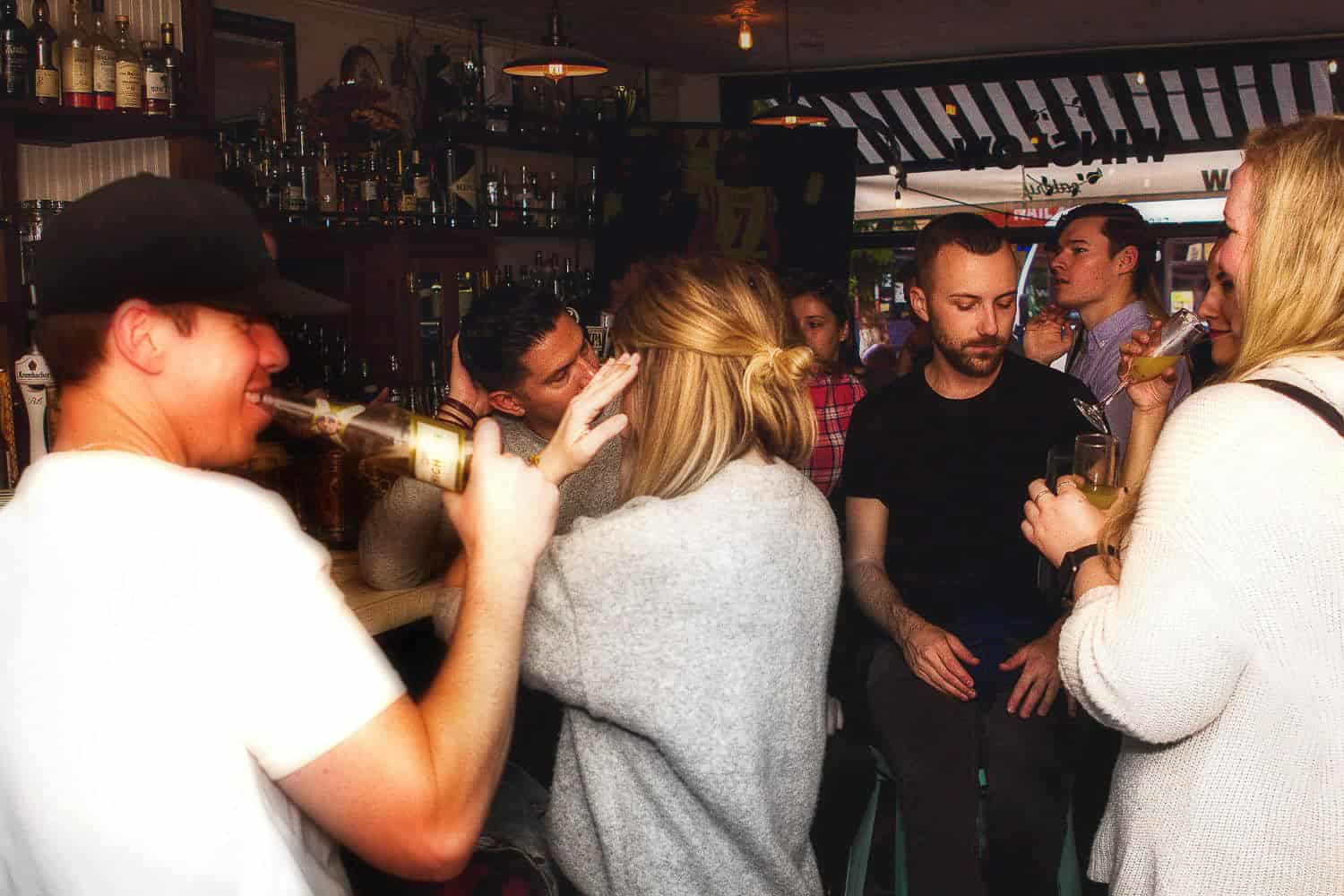
Celebration dinners ask a lot from a venue. They need warmth without stiffness, energy without chaos, and enough flexibility to suit a mixed group of personalities. That balance is harder to find than most people expect. A standard restaurant dining room can feel exposed. A formal private dining room in a hotel can feel too corporate. Hosting at home sounds charming until someone is hauling ice, clearing plates, and washing glassware at midnight.
That is why a Bar With Private Room often lands in the sweet spot.
It combines two things that matter for memorable gatherings: a social atmosphere and a measure of control. You get the buzz of a good night out, but you also gain a defined space where your group can settle in, talk freely, and celebrate on its own terms. For birthday dinners, engagement parties, work milestones, graduation meals, rehearsal celebrations, and family events that deserve more character than a banquet hall, that combination is hard to beat.
I have seen the difference this setup makes in real life. The same group that looked restrained in a large open restaurant can loosen up completely once they have a room of their own. Conversation gets louder. Toasts happen naturally. Guests stay longer. The event starts to feel less like a reservation and more like an occasion.
The private room changes the emotional tone of the night
Most celebration dinners are not really about the food alone, even when the menu matters. They are about attention. Someone got promoted. Someone turned forty. Someone is leaving for a new city. Someone finally gathered friends and family who never seem to be available at the same time. The setting should support that emotional center rather than compete with it.
A private room does exactly that. It gives the group a sense of ownership over the evening. Guests are not performing their joy in front of a room full of strangers. They can laugh too loudly, tell stories that run long, stand up for a toast, pass gifts around, or slip between serious and silly conversation without worrying that they are disrupting nearby tables.
That privacy matters more than people think. In open dining rooms, even very good ones, groups often edit themselves. They lower their voices. They rush speeches. They hold back on sentimental moments because the next table is close enough to hear every word. When the dinner is in a private room attached to a bar, those social brakes come off a little. People relax, and once people relax, the celebration starts to feel genuine.
There is also a practical side to this emotional shift. A guest of honor is easier to honor when everyone can actually see and hear them. In a standard restaurant layout, half the party may be scattered around a long table with servers squeezing through tight aisles. In a private room, the group is more contained, which helps the evening feel coherent from the first drink to the final dessert.
A bar setting keeps the energy alive
Private dining can fail when it becomes too sealed off from the life of the venue. Some spaces are technically private but emotionally flat. They feel disconnected, almost like conference rooms with wine glasses. A bar with a private room avoids that problem because the larger venue still contributes atmosphere.
Your group can gather in the room for dinner, then drift toward the main bar for a nightcap. Early arrivals can order a drink outside before everyone sits down. If part of the group wants a quieter conversation while others want more movement and music, the venue can support both. That fluidity is useful. Celebration dinners rarely move in a straight line. They usually have phases: arrivals, first round of drinks, dinner, speeches, cake or dessert, a second wind, then the slow taper at the end.
A bar naturally accommodates those phases better than many restaurants do. People understand how to inhabit bar spaces. They know they can mingle, circulate, and reset the energy when needed. For a dinner that includes friends from different circles, coworkers who do not all know each other, or family members spanning multiple generations, that matters. Not everyone wants to stay planted in one chair for three hours.
I have been to milestone dinners where the private room did the heavy lifting early in the night, then the bar handled the social blending afterward. Guests who were shy at the table found their rhythm while standing with a drink. Older relatives stayed comfortable in the quieter room while younger guests moved in and out. The venue allowed the event to stretch naturally rather than end abruptly when plates were cleared.
It solves the noise problem without making the night feel sterile
Noise is one of the most common complaints at celebration dinners. A lively room can be fun, but if guests cannot hear each other, the experience becomes work. This is especially true for mixed-age groups. Grandparents, parents, and younger guests all hear a room differently. Add background music, cocktails, and twenty people trying to speak across a table, and things get frustrating fast.
A private room helps by creating acoustic separation. Not perfect silence, which would feel unnatural in a bar setting, but enough of a buffer that conversation can breathe. That makes a noticeable difference during speeches, birthday toasts, and any moment when the whole group needs to focus at once.
The best venues get this balance right. The room feels intimate rather than shut off. You still sense the larger venue humming nearby, but your guests are not battling it. If you are choosing a bar with a private room, it is worth asking a few specific questions before booking:
- Is the room fully enclosed or partially open to the main bar?
- Can background music in the room be adjusted separately?
- How many seated guests fit comfortably, not just technically?
- Will there be dedicated staff for the room during peak hours?
- Is there a minimum spend, and what counts toward it?
Those details shape the night more than decor photos do. A stylish room that is too loud or too cramped will wear people down by the second hour.
Food and drink feel more celebratory in this format
There is a reason many guests remember the drinks at a celebration dinner as vividly as the meal. Bars tend to take beverage service seriously, and that can https://myleshgnt642.scriblorax.com/posts/how-to-coordinate-catering-at-a-bar-with-private-room elevate the event without requiring anything overly formal. A thoughtful cocktail list, a few strong zero-proof options, good wine guidance, and a bartender who can handle a special request all add texture to the evening.
The private room gives you a chance to curate that experience a little. Maybe the group starts with sparkling wine or a welcome cocktail. Maybe there is a small menu of two or three drinks chosen for the occasion. Maybe the host sets up a whiskey tasting for ten friends after dinner, or a low-alcohol aperitif service for an early evening engagement celebration. These touches are often easier to execute in a bar environment than in a traditional restaurant dining room.
Food benefits too. Celebration dinners do not always need a white-tablecloth tasting menu. In fact, many groups have a better time with a menu that feels generous, shareable, and easy to enjoy alongside drinks and conversation. A bar kitchen that knows how to pace small plates, mains, late snacks, and dessert can create a more relaxed and social meal than a rigid coursed service.
That does not mean standards should drop. The good venues understand that private groups want both hospitality and momentum. Food should arrive at a pace that keeps the evening moving. Plates should feel substantial enough to anchor drinking. Dietary needs should be handled discreetly, not as an interruption. Desserts should be timed for the room, not just dropped whenever the kitchen has a gap.
It works especially well for groups that do not fit one mold
A lot of event advice assumes every celebration dinner looks the same. In reality, guest lists are often complicated. You may have a birthday dinner with college friends, work friends, siblings, and a couple of older relatives. You may be planning a team dinner where some people drink, some do not, some want to stay out late, and some need to leave early. You may be hosting an anniversary meal where intimacy matters, but so does the chance for people to circulate.
A Bar With Private Room handles that variety well because it offers options without making the host choose a single mood for everyone. Guests who want a full dinner get it. Guests who are more comfortable joining for drinks afterward can fold in smoothly. People can step out to the bar area for a change of pace without leaving the event entirely.
This flexibility becomes even more valuable with medium-sized groups, roughly twelve to thirty people. That is the range where a normal restaurant reservation starts to feel unwieldy and a full event venue starts to feel excessive. In that middle ground, the private room inside a bar often feels just right. Large enough to feel special, contained enough to feel connected.
Hosts get breathing room
Anyone who has organized a celebration dinner knows that the host’s experience can make or break the night. If the host spends the evening negotiating with servers, counting chairs, answering basic logistics questions, and trying to control the pace of the meal, they do not get to enjoy the event they planned.
Private rooms tend to reduce that friction. The venue usually has clearer communication around timing, menu choices, staffing, and seating because the booking is more structured. That sounds small, but it matters. There is a world of difference between managing a loose cluster of tables in a public dining room and stepping into a room that has already been set for your group.
Good venues also tend to give hosts a point person. That alone can save a night. Instead of flagging different staff members for every question, the host has one contact who understands the booking, the cake arrangement, the allergy notes, the speech timing, and the final bill plan. The event feels smoother because someone besides the host is holding the thread.
I once watched a promotion dinner for about twenty guests unravel in an open restaurant simply because the party could not get synchronized service. Half the table had mains while the other half was still waiting on appetizers, and by the time someone tried to make a toast, servers were cutting across the room carrying trays. The guest of honor was gracious about it, but the atmosphere never recovered. That same group in a well-managed private room would have had a completely different night.
Privacy helps with speeches, surprises, and sentimental moments
Not every celebration dinner includes a speech, but many include at least one moment that benefits from privacy. A parent stands up for a few words at a graduation dinner. A best friend brings out a scrapbook. A partner makes a surprise announcement. Colleagues present a gift at a farewell meal. These moments can be moving, funny, awkward, or all three at once. They need a room that can hold them.
In a public setting, people often rush these moments because they feel exposed. In a private room, they can breathe. Guests can react honestly. People can clap, cry, laugh, or tell stories without worrying about the social temperature of the room around them.
That emotional permission is one of the strongest arguments for choosing this kind of venue. Celebration dinners are not ordinary meals. They deserve enough space for the unpredictable parts, which are often the memorable parts.
The best private rooms do not feel isolated
There is a common misconception that privacy means separation in a cold, literal sense. In practice, the most successful private rooms feel connected enough to the venue that guests still feel they are out somewhere lively. The room should not feel like an afterthought tucked behind a service corridor.
This is where design and service really matter. Lighting should flatter faces and food. Seating should allow people to turn and speak naturally rather than lock them into a stiff arrangement. The room should have enough personality that guests know they are somewhere chosen, not just somewhere available. A little sound from the main bar can actually help, provided it stays at the level of atmosphere rather than interference.
If the room has a door, that can be useful for speeches and focused moments. If it has partial openness, that can help the event feel connected to the night outside. Neither format is automatically better. It depends on the group. A corporate celebration may benefit from a more enclosed room. A thirtieth birthday dinner might suit a room with easier movement between the dining space and the bar.
Cost can be more sensible than people expect
Some hosts assume a private room automatically means premium pricing. Sometimes it does, especially in high-demand venues or during peak nights. But in many cases, the economics are more straightforward than they appear.
A minimum spend often replaces a room rental fee. If your group is already planning to eat and drink at a celebratory level, hitting that minimum may not require much extra spending. In practical terms, you are paying for a dinner you were going to have anyway, while gaining privacy, better coordination, and a more polished experience.
There are trade-offs, of course. You may need to preselect parts of the menu. You may have a narrower start time window. Late changes in guest count can be awkward. Some venues cap the room at a number that sounds generous on paper but feels crowded in reality. This is where an experienced host asks blunt questions early rather than hoping everything works itself out.
The useful comparison is not between a private room and the cheapest possible dinner option. It is between a private room and the total cost, stress, and quality of the alternatives. Once you factor in hosting at home, renting a blank event space, or trying to force a celebration into a standard restaurant setup, the private room often looks like strong value.
A few judgment calls matter more than decor
Hosts tend to spend too much time on the look of the room and not enough on the way the room functions. A velvet banquette photographs well, but service flow and acoustics will matter more by the end of the night. Before confirming a booking, think through the event as it will actually unfold.
The smartest questions are often simple. Will older guests be comfortable reaching the room? Is there space for coats and gifts? Can the group linger, or is there a strict turn time? If someone arrives late, can they join without disrupting the whole table? Can the venue handle both a serious toast and a round of espresso martinis without losing the plot?
When I help people think through these choices, I usually tell them to weigh the venue against four practical criteria:
- Comfort for the least flexible guest
- Service reliability during the busiest hour
- Ease of movement between dining and socializing
- Whether the room supports the actual tone of the event
That last point is important. Not every celebration should happen in the same kind of room. A quiet family anniversary needs something different from a lively birthday dinner. The advantage of a bar with a private room is that it can cover a broad range, but the host still needs to match the space to the occasion.
Why guests remember these dinners
People rarely remember a celebration dinner because the napkins were folded perfectly. They remember how the room felt. They remember that they could hear the toast. They remember that the guest of honor looked relaxed. They remember drifting from dinner into one more round of drinks because nobody wanted the night to end yet.
That is the real strength of this format. A Bar With Private Room gives a celebration dinner shape. It creates enough intimacy for meaningful moments and enough atmosphere for the night to feel alive. It spares the host some stress, gives the group room to act like itself, and supports the natural rhythm of gathering, eating, talking, and lingering.
For events that matter, those qualities are not extras. They are the difference between a dinner that simply happens and a dinner people talk about afterward. When the venue can hold both the personal side of the celebration and the social energy of a night out, the whole evening becomes easier to enjoy. That is usually the point.
The Winslow
Address: 243 E 14th St, New York, NY 10003
Phone number: +12127777717
FAQ About Bar With Private Room
Which bars in NYC offer private rooms?
Many bars in New York City offer private and semi-private rooms for parties and events, ranging from hidden basement speakeasies to upscale lounge spaces. Top options include The Back Room on the Lower East Side, Dear Irving Gramercy, Pebble Bar in Midtown, Mister Paradise in the East Village, and The Winslow in the East Village.
What is a private room in a pub called?
A small, private seating area or partitioned booth in a traditional pub is most commonly called a snug. Larger private rooms used for events, parties, or dining are typically referred to as private dining rooms, function rooms, or back rooms.
How much does a 2 hour open bar cost?
A 2-hour open bar generally costs between $15 and $45 per person, depending heavily on the quality of alcohol you choose. For a standard group of 100 guests, this translates to an overall cost of $1,500 to $4,500 before taxes, setups, and staff gratuities.